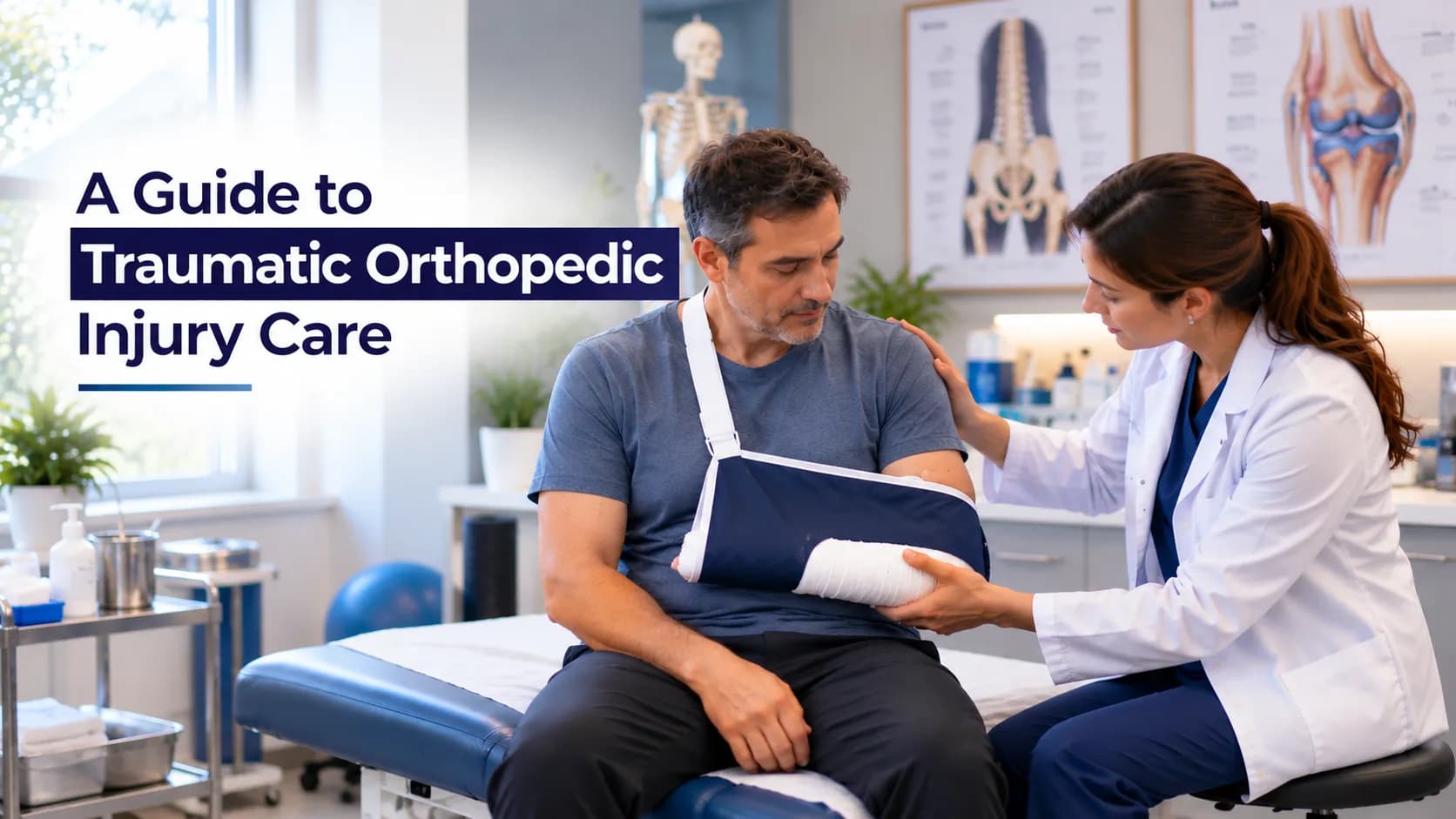
Orthopedic trauma occurs when victims suffer severe musculoskeletal injuries in accidents. The musculoskeletal system is made of bones, ligaments, joints, and muscles. Traumatic injuries continue to disrupt the victim’s life in the long run. From motor vehicle accidents to slip-and-fall cases to adventurous activities, these can result in traumatic orthopedic injuries. The victims often need consistent medical care to avoid long-term complications. The victims must seek proper orthopedic treatment Florida to address the orthopedic injuries and maintain musculoskeletal health.
What Are the Types of Traumatic Orthopedic Injuries?
Orthopedic trauma can affect different parts of the musculoskeletal system, and some injuries may overlap and cause more complex issues. Know the five common types of traumatic injuries.
Fractures
Accidents like motor vehicle crashes, slips and falls, and other activities can cause broken bones. Fractures can be mild to severe. Serious bone injuries may also need surgery to realign the bones to a stable state.
Tendon and Ligament Tears
Sudden forces of collisions can tear the victim’s ligaments and tendons. These injuries often require surgery and further orthopedic treatment after accident to restore full function and stability.
Dislocated Bones and Subluxations
When bones move out of their normal joint positions, they can become completely or partially dislocated. Accident victims suffer common joint dislocations in shoulders and hips. The injuries require prompt medical attention to realign the joint and avoid long-term damage.
Spinal Injuries
Examples of spinal trauma include herniated discs or fractured vertebrae. The injury can cause acute pain and nerve damage. The force may cause cartilage injuries and tears. These injuries may cause joint pain and arthritis. Prompt orthopedic care after injury can help the victim recover from the injuries faster and avoid pain and complications in the long run.
Sprains and Strains
When an accidental force tears or overstretches muscles, ligaments, or tendons, it can cause severe pain. Both can be mild to severe. Immediate orthopedic and physical therapy can be employed for full recovery.
What Are the Core Symptoms of Traumatic Orthopedic Injuries?
Traumatic orthopedic injuries can show up through a variety of symptoms, based on the area and severity of the injury. Here are common symptoms that signal an injury.
Pain and Swelling
Acute pain at the injury site is often the primary sign of a traumatic orthopedic injury. Over time, pain may worsen with movement or vary in intensity depending on the injury type.
Limited range of motion
Traumatic injuries often leave accident victims with a compromised or stiffened range of motion. This makes it difficult to move the affected limb. Pain, swelling, or severe internal injury can cause this hindrance. From a bone fracture to a dislocation, either can make life a hundred times more difficult.
Misalignment or deformity
Fractures or dislocations may cause visible deformities, such as an abnormal bend. Misaligned bones or joints require urgent medical attention.
Numbness or tingling sensation
Nerve damage may cause extreme numbness or extreme sensation in the injured area. It’s a sign of nerve compression or more serious complications.
How to Diagnose Orthopedic Trauma?
Physical tests and exams can help diagnose orthopedic trauma. A qualified doctor can examine the injured area to assess pain, inflammation, and deformity. The personal injury orthopedic specialist asks the victim about the injuries and checks symptoms to understand the extent of the damage.
Imaging, such as X-rays, can show fractures and dislocations,
while CT scans and MRIs can examine soft tissues like tendons and ligaments.
Musculoskeletal ultrasound is a noninvasive tool to check soft tissue injuries.
These tests help identify conditions such as tendon and ligament tears, muscle strains, and sprains. The tests provide information to guide effective orthopedic care Florida.
Potent Treatment Options for Traumatic Orthopedic Injuries
Treatment options for orthopedic trauma can be different based on the type and severity of the injuries. The most effective options can restore function faster in an orthopedic care center.
Physical Therapy
Physical therapy and exercises help increase strength and flexibility and restore range of motion. Physical therapy is often needed after immobilization and surgery to restore full function.
Immobilization
Braces and splints are often used to stabilize bones and joints in place as they heal from fractures and injuries.
Medications
Pain relievers and anti-inflammatory medicines help relieve pain and inflammation. Muscle relaxants are applied to treat muscle injuries.
Invasive Surgeries
In critical injury cases, surgery is necessary. Operations help repair fractures, torn ligaments, and damaged cartilage. Invasive tools like plates, rods, and screws can stabilize the injured area.
Enough rest time
Personal injury orthopedics allow the victims enough rest time to heal. Reduced activity and routine changes can help prevent injury and support recovery.
What Are the Strategies for Orthopedic Trauma?
Several proactive steps can help protect the musculoskeletal system and prevent orthopedic injuries. The most important include -
Keeping Protective Gear
Wearing safety gear, like knee protection or helmets when riding, can reduce the risk of injury.
Proper Conditioning
Practicing exercise regularly helps protect bones and joints. Daily exercise boosts muscle strength, flexibility, and balance.
Maintaining Good Posture
Balanced posture during exercises helps individuals avoid muscle, joint, and ligament strains and sprains.
Light Exercises
Regular stretching and light exercise can lower the risk of sprains, strains, and other sudden injuries.
Why Choose I.A.N.?
Injury Assistance Network is a leading medical provider for personal injury victims. We offer all-in-all services for orthopedic and spinal conditions, along with other health concerns resulting from personal injury accidents. Our certified healthcare professionals use advanced diagnostic and treatment technology to provide tailored treatments.
Injury Assistance Network provides comprehensive, quick orthopedic care for victims injured in motorcycle accidents, car accidents, slips and falls, and other injuries related to personal injury in Florida. Our experienced team of healthcare professionals diagnoses and addresses a range of injuries, from bone fractures to spinal cord injuries. The professionals use state-of-the-art imaging and customized treatment plans to help victims get back on their feet.


Leave a Comment