All You Must Learn about Occupational Inpatient/Outpatient Therapy Post-Accident
Introducing You to the Concept of Occupational Therapy Following an Accident
Occupational therapy assists individuals in doing things they need or want through the therapeutic use of daily activities. Early intervention occupational therapy helps individuals with injuries, illness, and disabilities to recover, develop, maintain, and improve skills required for everyday living. OT or occupational therapy might start with a customized evaluation. An occupational therapist determines an individual's mental and physical abilities through individualized treatment. The professional can create a customized plan to help you perform everyday activities. The meaning of 'occupation' in this context isn't related to jobs. It's an activity that occupies the patient's time. So, occupations, here, is used for the following:- IADLs or Instrumental activities of daily living
- ADLs or Activities of daily living
- Education
- Sleep and rest
- Play
- Work
- Social participation
- Leisure
Prime Objective of Occupational Therapy Post-Accident
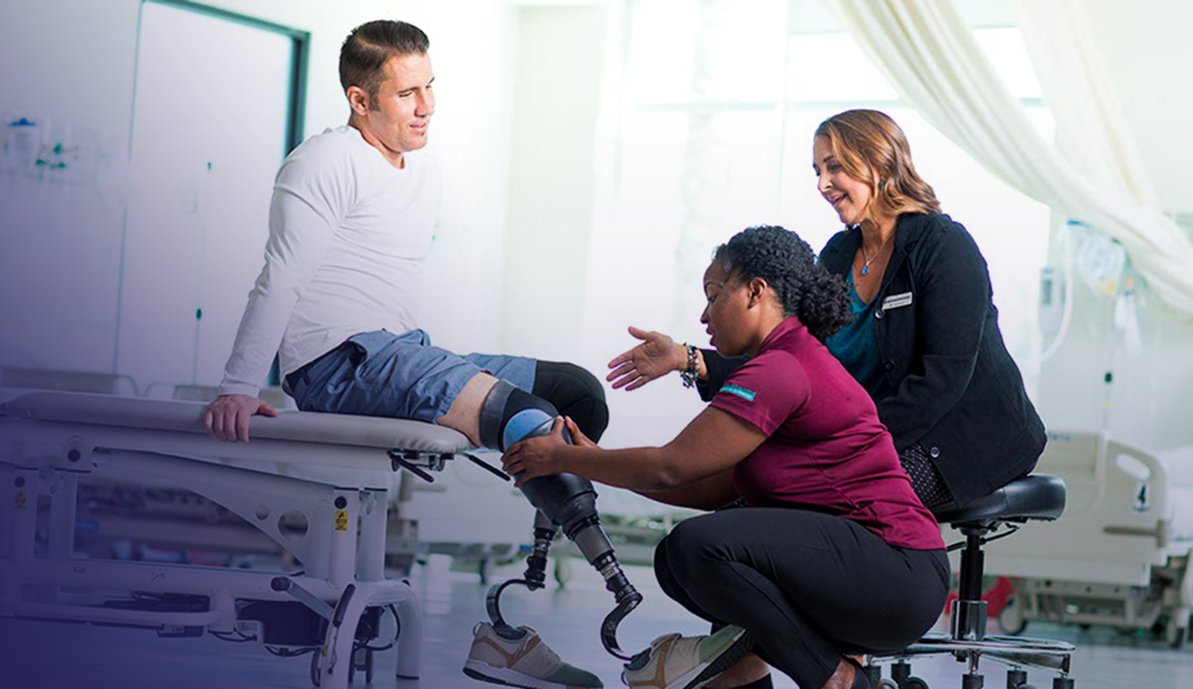
The prime objective of occupational therapy after a car collision is to help the patient regain confidence. Encountering a significant accident in front of your eyes might be traumatizing. The devastating experience might bring consequences in your life both mentally and physically. With occupational therapy, you can regain independence in daily activities like bathing, dressing, driving, and cooking. Additionally, an occupational therapist helps you manage the discomfort and pain. The professional implements a technique to manage discomfort and pain resulting from the accident. In addition, an occupational therapist improves cognitive, physical, and emotional health for daily tasks. In the worst cases, accidents may result in fatal injuries and permanent disabilities. An occupational therapist performs the necessities to help you overcome your limitations.Occupational and Physical Therapy: Understanding the Link
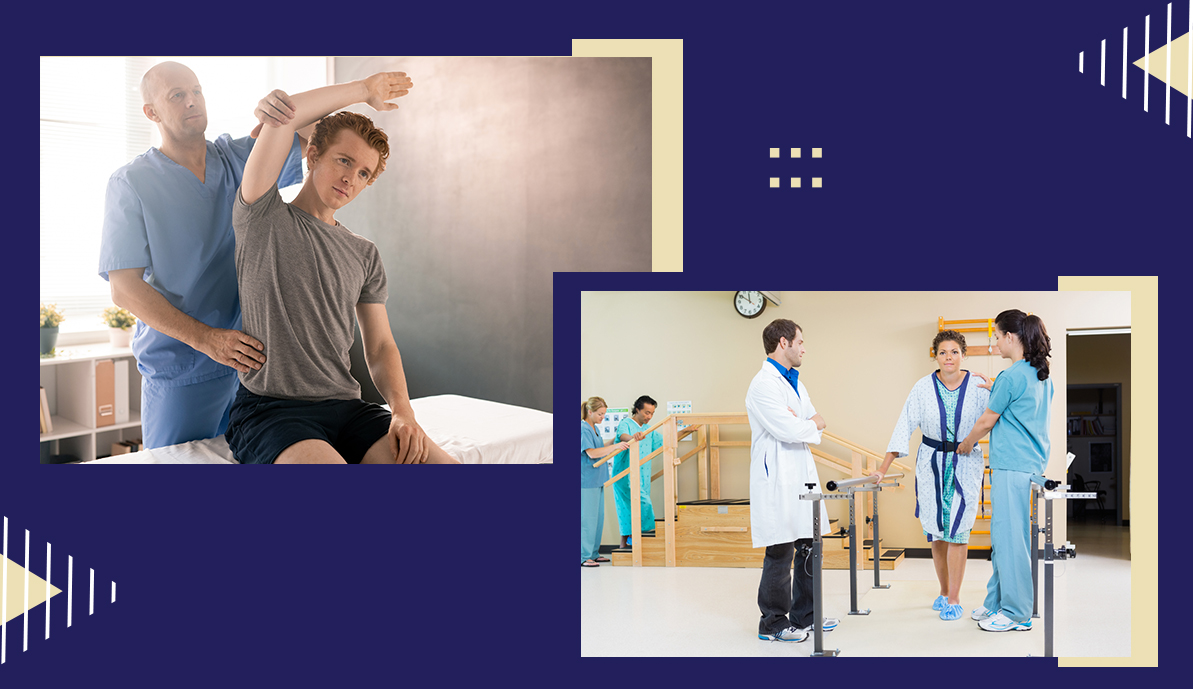
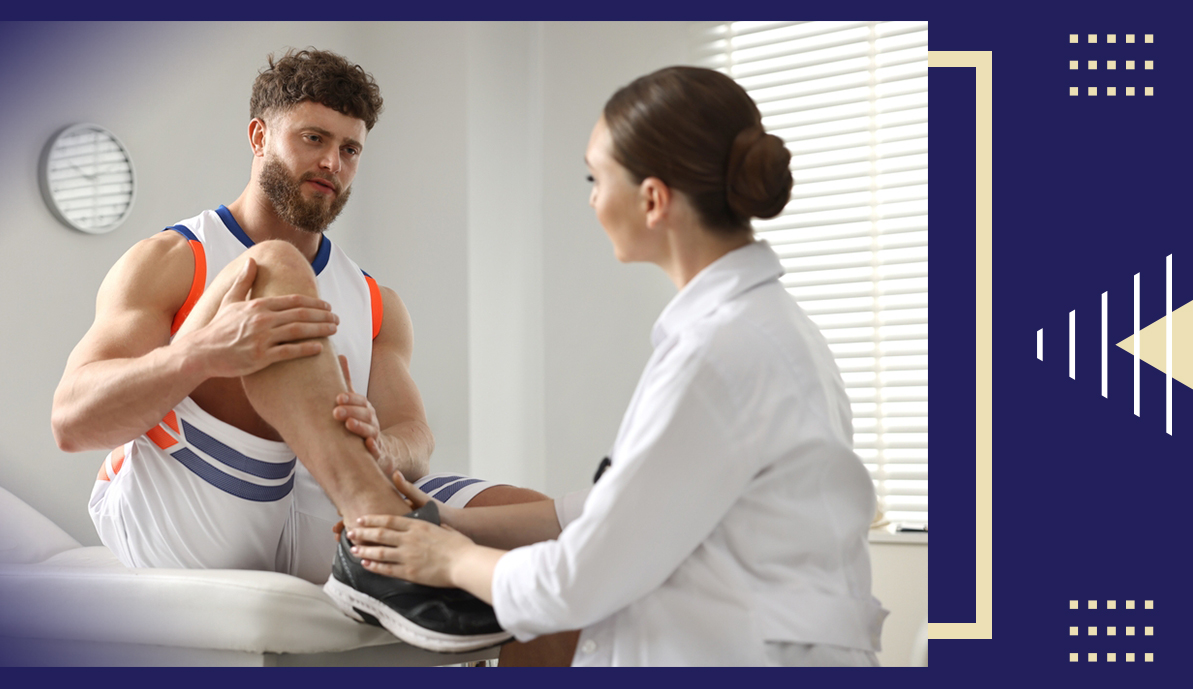
Did you know that physical and occupational therapy can speed up recovery? Note that occupational alongside physical therapy helps a patient increase flexibility and strength. A few patients need both occupational and physical treatment. These therapies focus on recovering patients from injury, surgery, and medical conditions. Nonetheless, the approach might be different from one therapist to another. Occupational and physical treatments prioritize improving a patient's strength, function, and motor skills.Additionally, both treatments include massage therapy methods and therapeutic stretching. Moreover, progressive strengthening exercises are common in both types of therapies. These therapies depend on a customized therapy plan that suits individual abilities and needs.On-Going Occupational Therapy for Accident Survivors
The therapist follows the ongoing occupational therapy to support recovery with proper planning and regular appointments. Inpatient rehab occupational therapy can be customized per clients' goals and needs. The following are a few examples of how these services can help clients:- Eventual Return to Work
- Exposure Therapy
Difference between Outpatient and Inpatient Occupational Therapy
Outpatient occupational therapy indeed provides flexibility. It gives the ability to maintain everyday routines. However, on the other hand, inpatient occupational therapy offers a higher level of care and specialized equipment. In short, it's a more concentrated technique for rehabilitation.Note that the preference between inpatient and outpatient occupational therapy varies on a few parameters, such as the condition's severity, medical supervision needed, and the patient's circumstances.Notably, inpatient and outpatient occupational therapy aren't things that happen simultaneously. Since they aren't mutually exclusive, some patients might start with an inpatient program to improve their condition. After their early intervention occupational therapy (outpatient), they can later transfer their choice to outpatient treatment as their needs change. So, outpatient and inpatient occupational therapy serve their purposes differently and meet various requirements. So, both treatments aim to improve patients' well-being and help them regain quality of life.When to Consider Inpatient Rehab Occupational Therapy after an Accident?
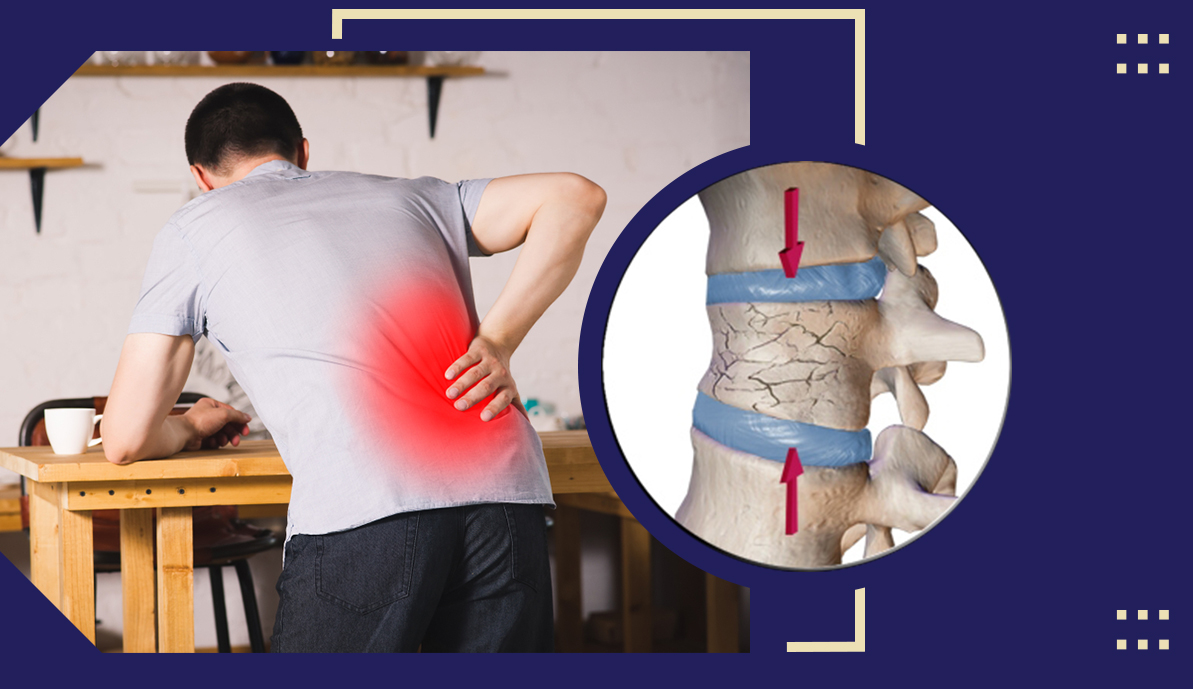
Traumatic injury from an accident may result in fatal injuries or permanent disability (or even death). Trauma, in general, may affect all age groups and may impact mental health negatively. Additionally, it results in issues with pain, mobility, eating, cognitive functions, speech, etc.At times, it might result in anxiety, depression, and other financial issues. The impact also affects one's pre-existing conditions. That's why people, after suffering a traumatic injury in an accident, may require rehabilitation assessment to regain optimum functions.Wrapping up
During an inpatient rehab occupational therapy procedure, your occupational therapist may collaborate with other individuals to develop certain goals and create actionable plans. The main objective of your occupational therapist is to help you initiate healthy living within your community speedily. So, if you or your closest one has encountered a car crash lately and presume you need occupational therapy, find a competent occupational therapist to get the best solutions.Share with your friends: