What is Traumatic Brain Injury?
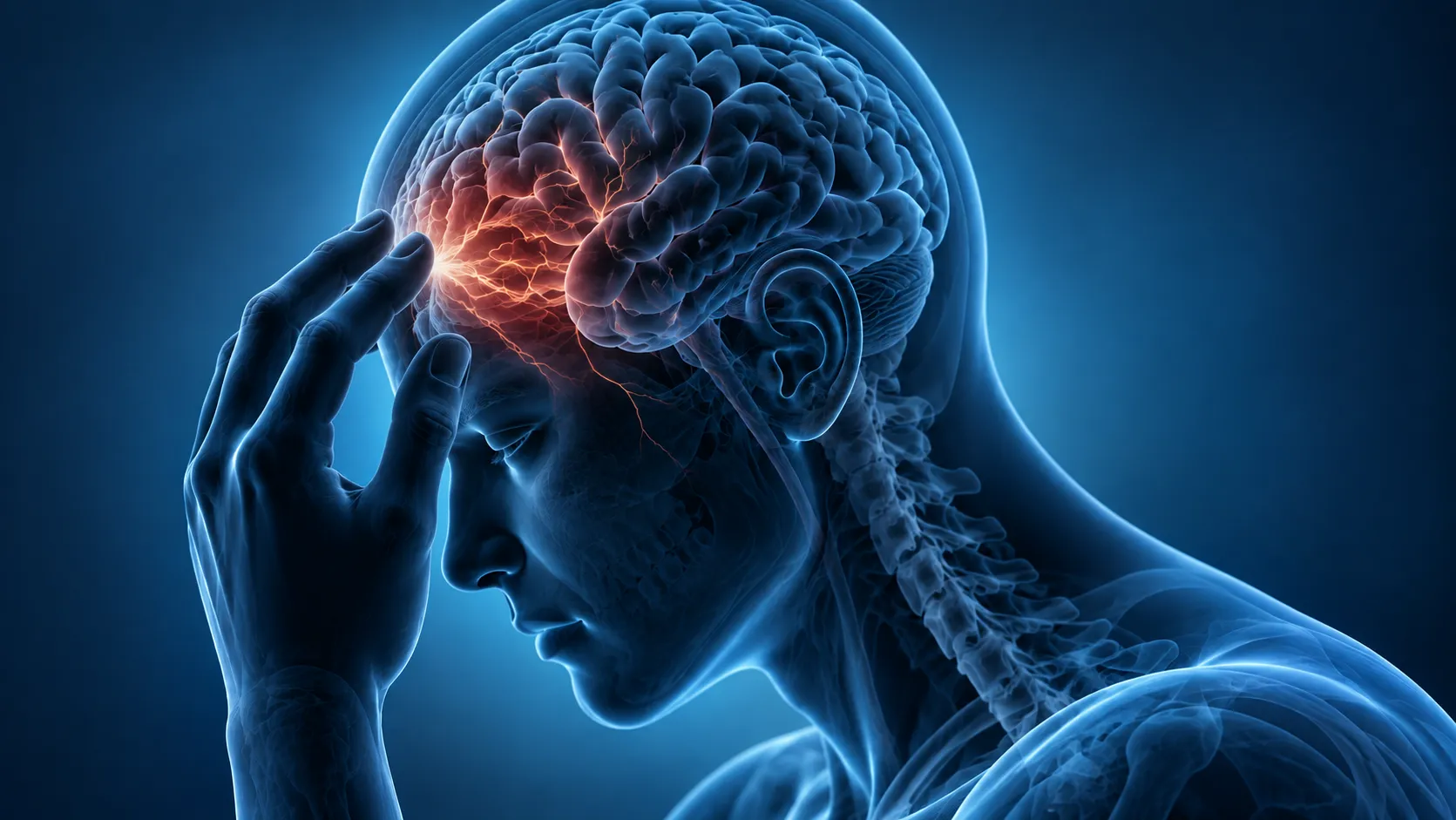
A traumatic brain injury happens when the head is hit against a surface or an object during a mishap. A TBI can be a result of an accident, a fall, or a blow to the skull. The force can be mild to severe. The injury can affect one’s thoughts, emotions, and body movements. Mild brain injury may cause temporary damage to the brain cells. Serious traumatic brain injuries result in bruises, bleeding, and brain damage. The damage can be focal or diffuse. The severity can range from a mild concussion to severe injury. Complex TBIs can lead to permanent damage or death. Traumatic brain injury treatment options vary based on the severity of the injuries.
What are the types of Brain Injury?
Traumatic brain injuries are of two types:
Closed brain injury
Closed brain injuries happen when the brain suffers a nonpenetrating injury with no break in the skull. A closed brain injury occurs when rapid back-and-forth movement shakes the brain from the inside and damages the skull. The injury causes tears and bruises to the brain tissue and blood vessels. Car accidents, falls, or sports injuries can cause it.
Penetrating brain injury
Penetrating or open head injuries occur when there is a direct hit to the skull, like a bullet piercing the brain. When a pointed object pierces your skull, enters the brain, and damages a part, it’s more severe for the victim. Doctors may call these injuries open TBIs.
What is Primary and Secondary Brain Injury?
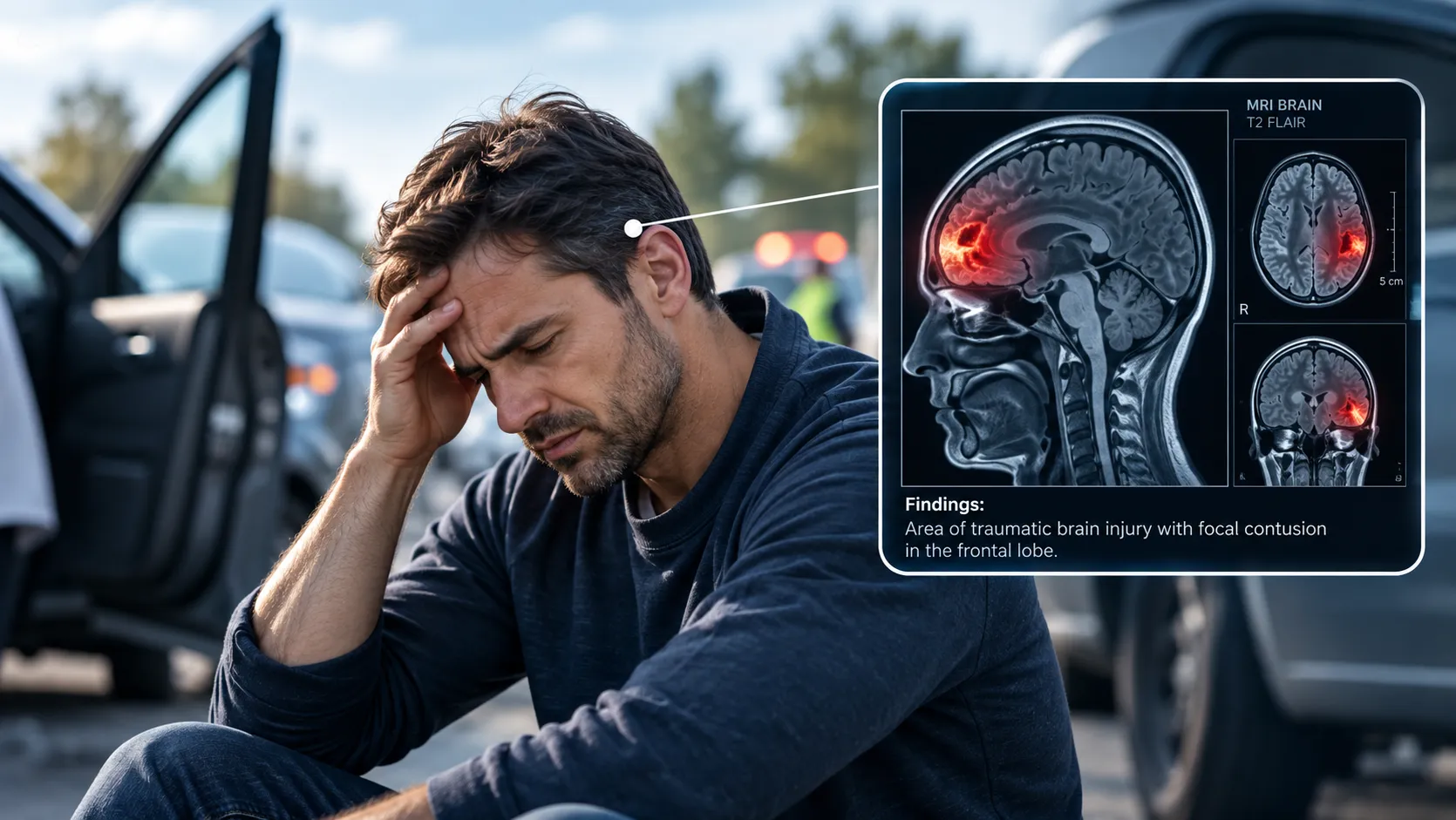
Primary brain injury is a sudden, deep brain injury that’s considered direct and complete during the time of the accident. Primary injuries happen during car accidents, gunshot wounds, or falls. On the other hand, secondary brain injuries are the wounds that worsen over a period of time after the primary injury happens. Secondary injury involves a series of changes in chemicals, cells, tissue, or blood vessels. These injuries gradually cause further damage to the brain tissue.
What are the Severity Levels of TBIs?
According to doctors, traumatic brain injuries can be mild, moderate, and severe. Concussions are mild TBIs. Moderate and severe TBIs are way more serious than mild TBIs.
Mild TBIs
Most TBIs are mild. Even mild TBIs can leave stronger, long-term effects. Victims with moderate TBIs may find it challenging to return to their daily routine.
Moderate and Severe TBIs
Severe and moderate TBIs are medical emergencies. Accidents and mishaps of a severe level can cause severe brain injuries.
What are the Causes of Traumatic Brain Injury?
Brain damage causes traumatic brain injury. When a solid object hits the head, it can bounce, move, or twist inside the skull. In a coup-contrecoup injury, the brain suffers bruises, and internal tissues and blood vessels are damaged. A brain bruise resulting from trauma at the site of the accident is termed a coup lesion. This movement injures brain tissue and blood vessels. When an object enters the skull, it can damage the brain from inside. The brain shaking against the skull can tear the inner lining, blood vessels, and tissues, causing bruising, bleeding, and swelling. What can cause a penetrating traumatic brain injury is a sharp object, a bullet, or a knife. Some of the common causes of non-penetrating TBIs include a hit in the head, vehicle accidents, a fall, a sports injury, an explosion, etc.
What are the Symptoms of Traumatic Brain Injury?
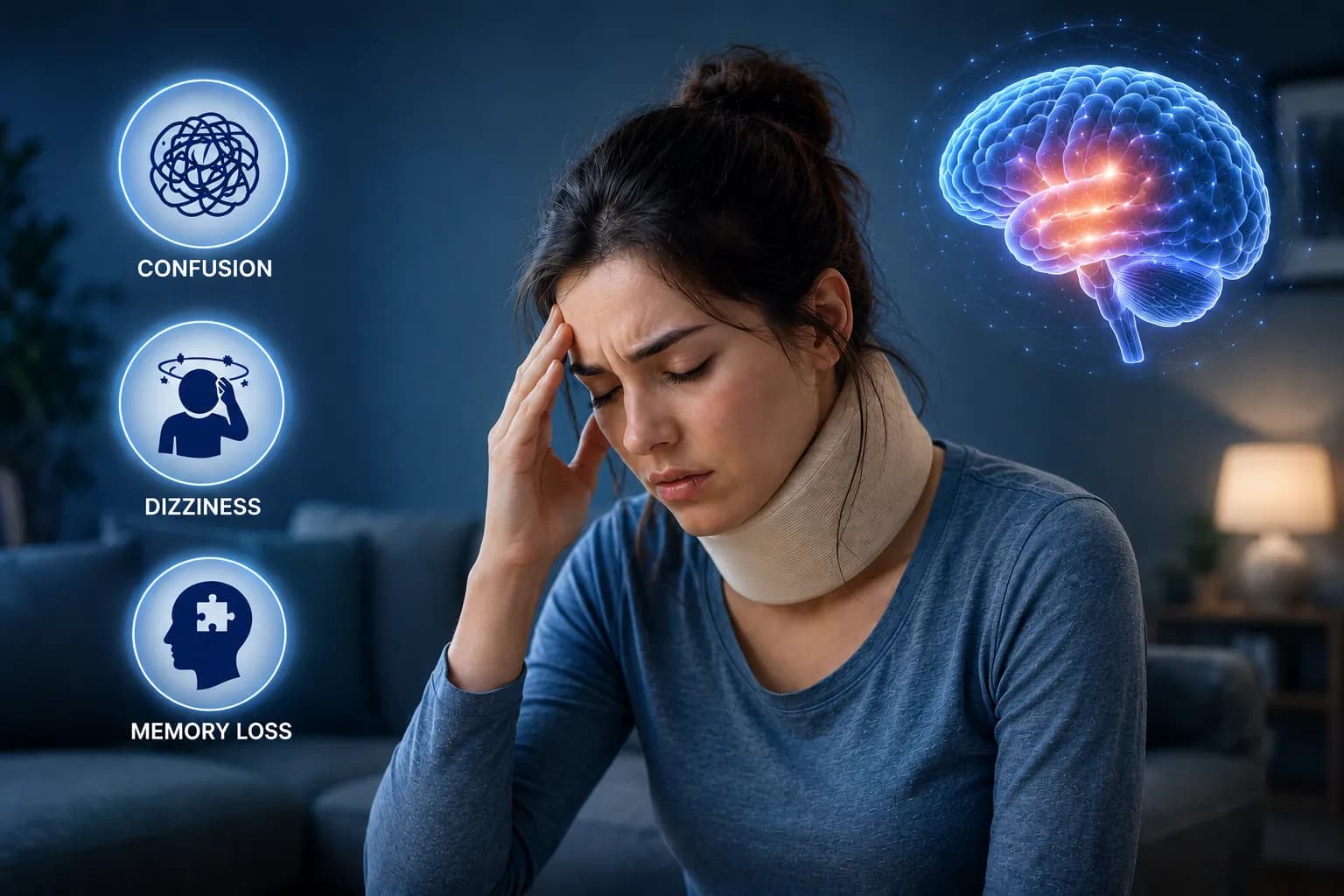
Traumatic brain injuries manifest through several physical and psychological symptoms. Some symptoms may show up immediately after the accident, while others may take days or weeks.
Symptoms of Mild TBIs
The signs and symptoms of mild traumatic brain injury include -
Physical symptoms
Headache
Nausea
Drowsiness and fatigue
Problems with speeches
Dizziness
Loss of balance
Behavioral or Cognitive Symptoms
Loss of consciousness for a few minutes or seconds
A confused and disoriented state of mind
Memory problems
Lack of concentration
Mood swings
Feelings of anxiety and depression
Difficulty falling or staying asleep
Sleeping for long hours
Sensory Symptoms
Blurred vision
Ringing in the ears
Loss of the sense of smell
Bad taste
Sensitivity to light or sound
Symptoms of Moderate/Severe TBIs
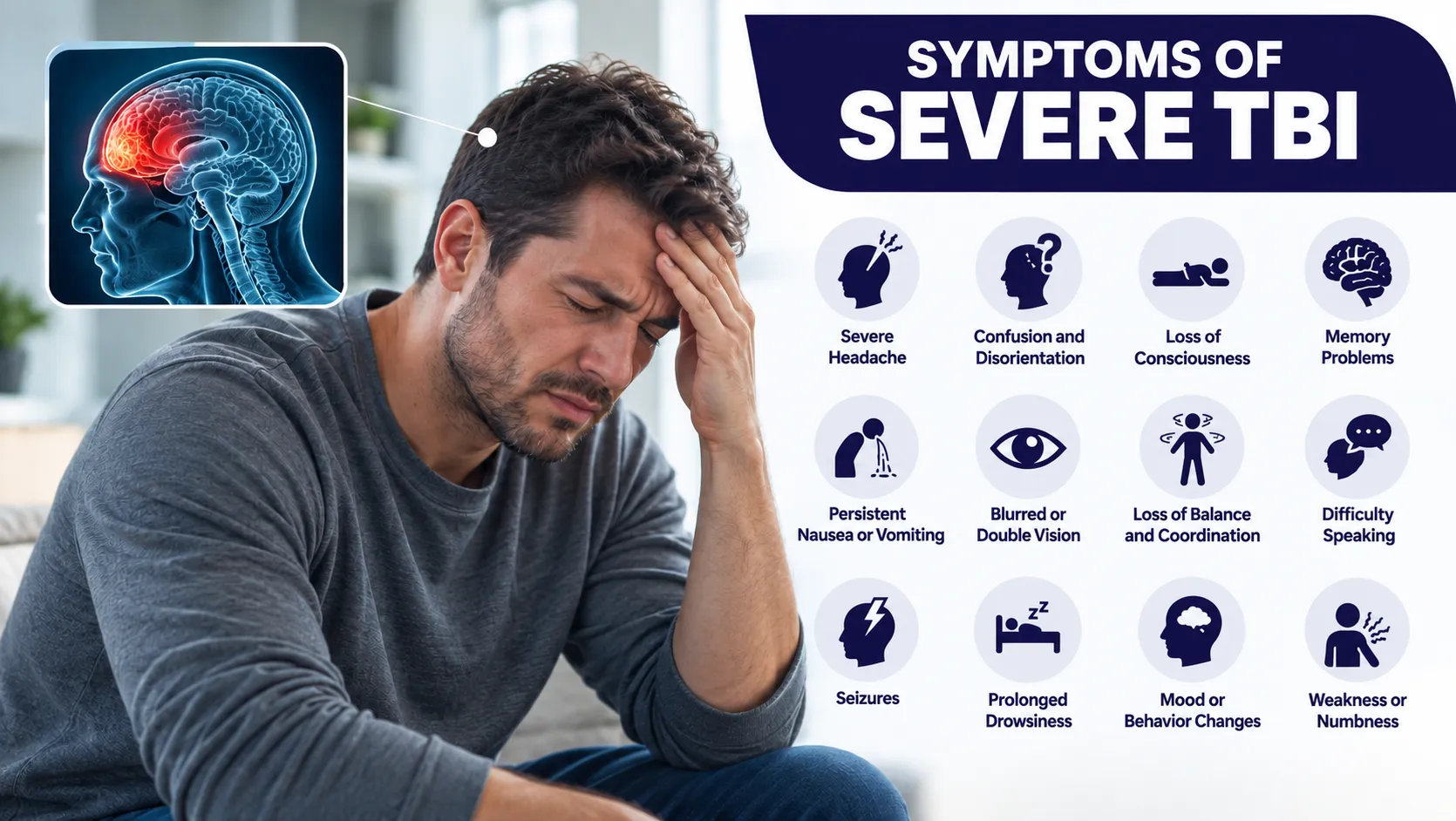
Moderate to severe traumatic brain injuries may show the symptoms of mild TBIs. These injuries can cause complex symptoms from the first day of injury.
Physical Symptoms
Loss of consciousness for minutes or hours
Constant and worsening headache
Persistent nausea
Seizures or convulsions
Dilated pupils
Inability to wake up from sleep
Numbness in fingers or toes
Loss of coordination
Clear fluid draining from ears and nose
Cognitive Symptoms
Deep confusion
Combativeness
Unusual behaviour
Slurred speech
Cognitive disorder
Coma
Symptoms in Children
Infants and young children with brain injuries may not express their traumatic brain injury symptoms properly. They may not talk about their headache, sensory issues, confusion, and similar symptoms. A child with a TBI may suffer from:
Changes in nursing or eating habits
Unusual irritability
Constant crying
Can’t be consoled when they are crying
Lack of focus and attention
Disturbed sleeping habits
Seizures
Depressed mood
Drowsiness
Loss of interest in their favorite activities
What are the Probable Consequences of Traumatic Brain Injury?
Symptoms of mild brain injuries improve faster with effective treatment. Severe traumatic brain injuries may lead to permanent disability. Moderate to severe brain injuries may need lifelong traumatic brain injury care for recovery and cure. The effects of the brain injury include -
Impact on Physical Health
Tightened and shortened muscles
Lack of balance
Low bearing capacity
Hesitation in initiating a new job
Body paralysis
Inability to do usual movements
Tremors
Swallowing issues
Poor coordination
Impact on Cognitive Health
Confusion
Coma
Low attention span
Amnesia
Memory problems
Lack of problem-solving skills
Judgment issues
Inability to understand abstract concepts
Loss of sense of time and space
Lack of self-awareness and of others
Inability to accept multi-step commands at once
Impact on Sensory Health
Changes in vision, hearing, smell, taste, and touch
Loss of sensation in different body parts
Numbness on the left or right side of the body
Numbness makes it hard to understand where limbs connect to the body.
Double vision, limited range of vision, or lack of visual acuity
Impact on Regulatory Health
Headache
Tiredness
Changed sleep patterns and eating habits
Dizziness and confusion
Loss of bowel and bladder control
Impact on Functional Health
Challenges in completing daily life activities such as dressing, bathing, and eating
Organizational issues, difficulty in shopping, or paying bills
Lack of ability to drive a car or operate heavy machinery
Impact on Communication and Language
Challenges in speaking and understanding speech
Challenges in choosing the right words to say
Difficulty reading (alexia) or writing (agraphia)
Difficulty in performing certain very common actions, like brushing one's teeth (apraxia)
Slow, fumbled speech and lack of vocabulary
Challenges in forming sentences that make sense
Issues identifying objects and their function
Issues with reading, writing, and ability to work with numbers

Impact on Social Life
Restricted social capacity affecting difficult interpersonal relationships
Trouble making and keeping friends
Challenges understanding and communicating the nuances of social interaction
Personality or Psychiatric Changes
Apathy
Low motivation
Emotional indifference
Irritability
Anxiety and depression
Aggression, frustration, cursing, and odd sexual behavior
Can the Brain Fully Heal After Being Injured?
According to studies, the damaged and destroyed brain cells don’t grow again. Younger people can recover from brain injuries at their own pace. Other areas of the brain can help heal injured tissue. In some cases, the brain changes how it routes information and functions around the damaged areas. The time of recovery is variable. At the time of accident and injury, it’s not possible to tell how long it will take to recover. Each brain injury is different; hence, the pace of recovery is also unique. A severe brain injury often requires a long period for traumatic brain injury treatment and rehabilitation.
When to See A Doctor?
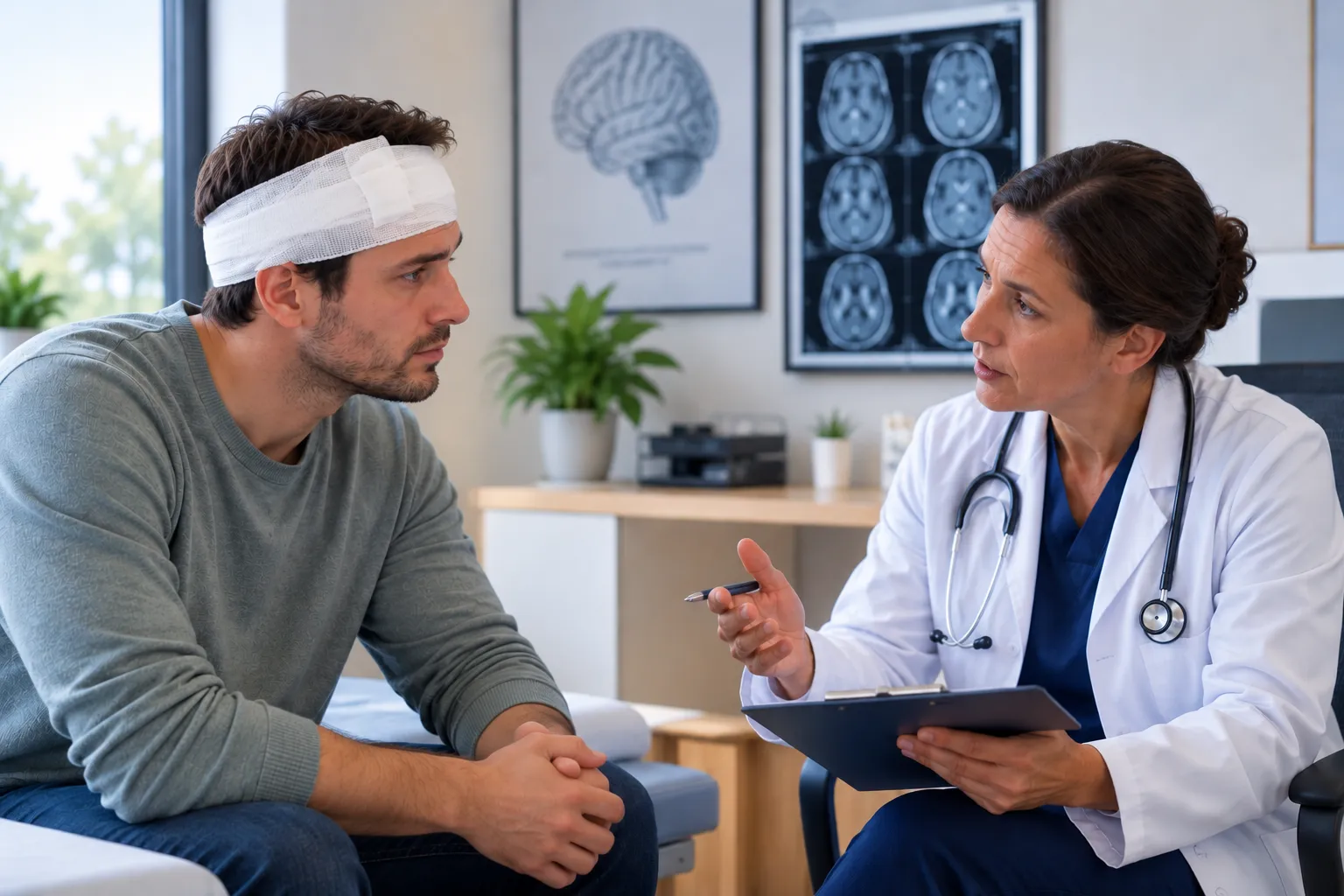
It’s advisable to visit a doctor if you or your child has suffered a brain injury from a sudden blow or a vehicle accident. Traumatic brain injury care is urgently required if the patient shows several signs and symptoms of TBI after the mishap happens. Connect with I.A.N. immediately to find the best medical professionals to treat mild to severe brain injuries. Even a mild brain injury is a serious matter that requires instant attention and accurate medical diagnosis. Doctors treat the conditions based on the severity of trauma - mild, moderate, and severe.
How to Treat Brain Injuries?
Treatment and rehabilitation of a brain injury patient begin with the right approach. The timeline and effectiveness of rehabilitation vary based on several factors, including -
Type and severity of brain injury
Impairments and disabilities resulting from brain injuries
Health condition of a patient
Family support
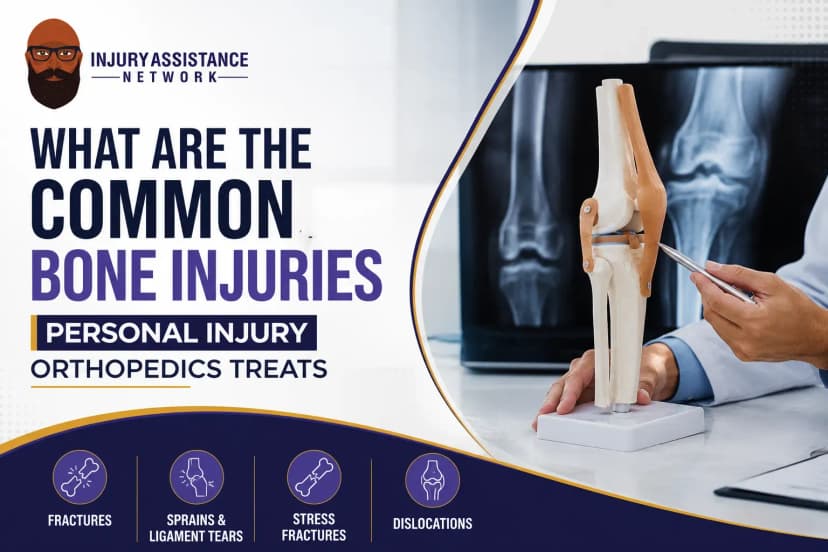
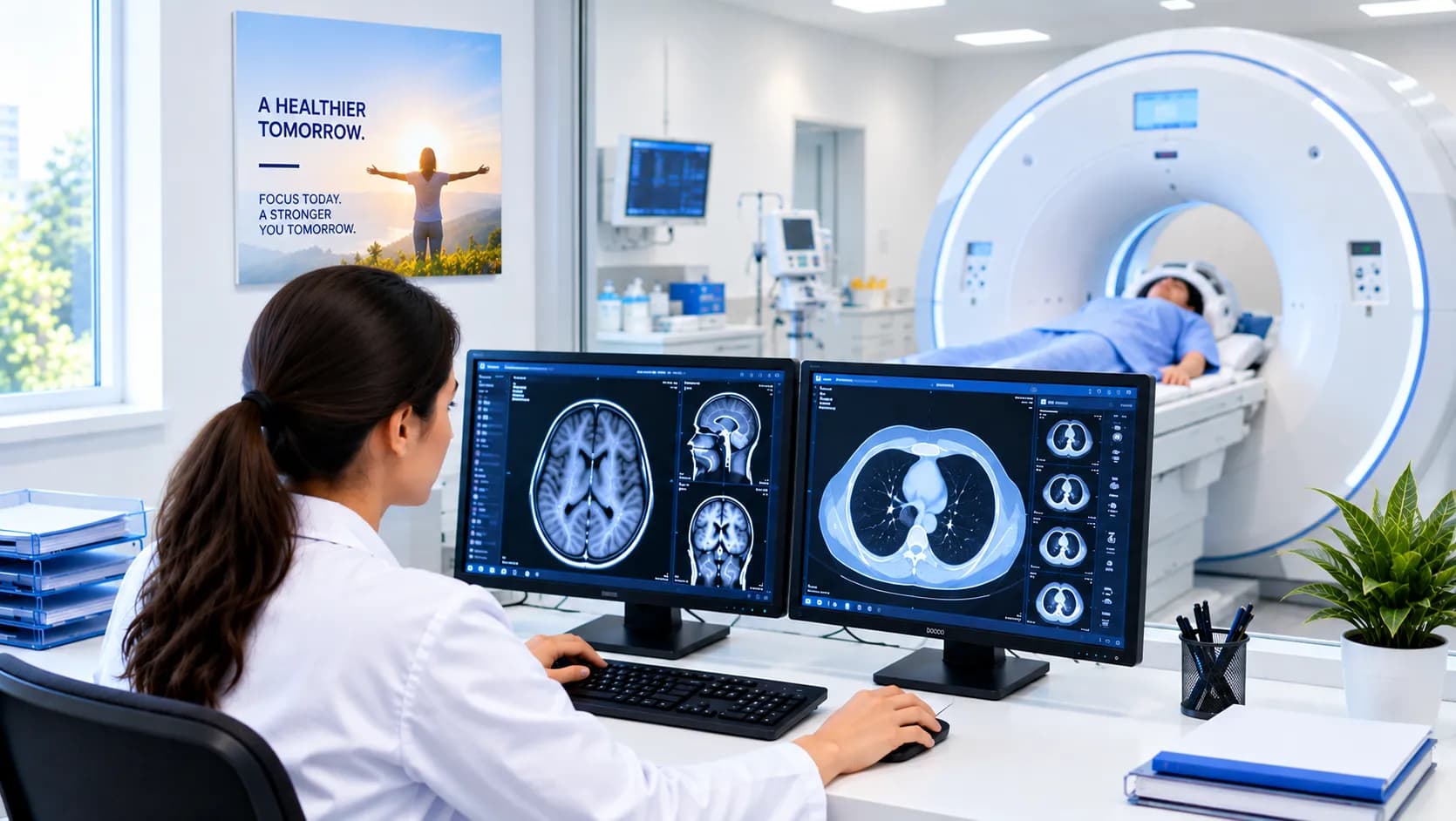
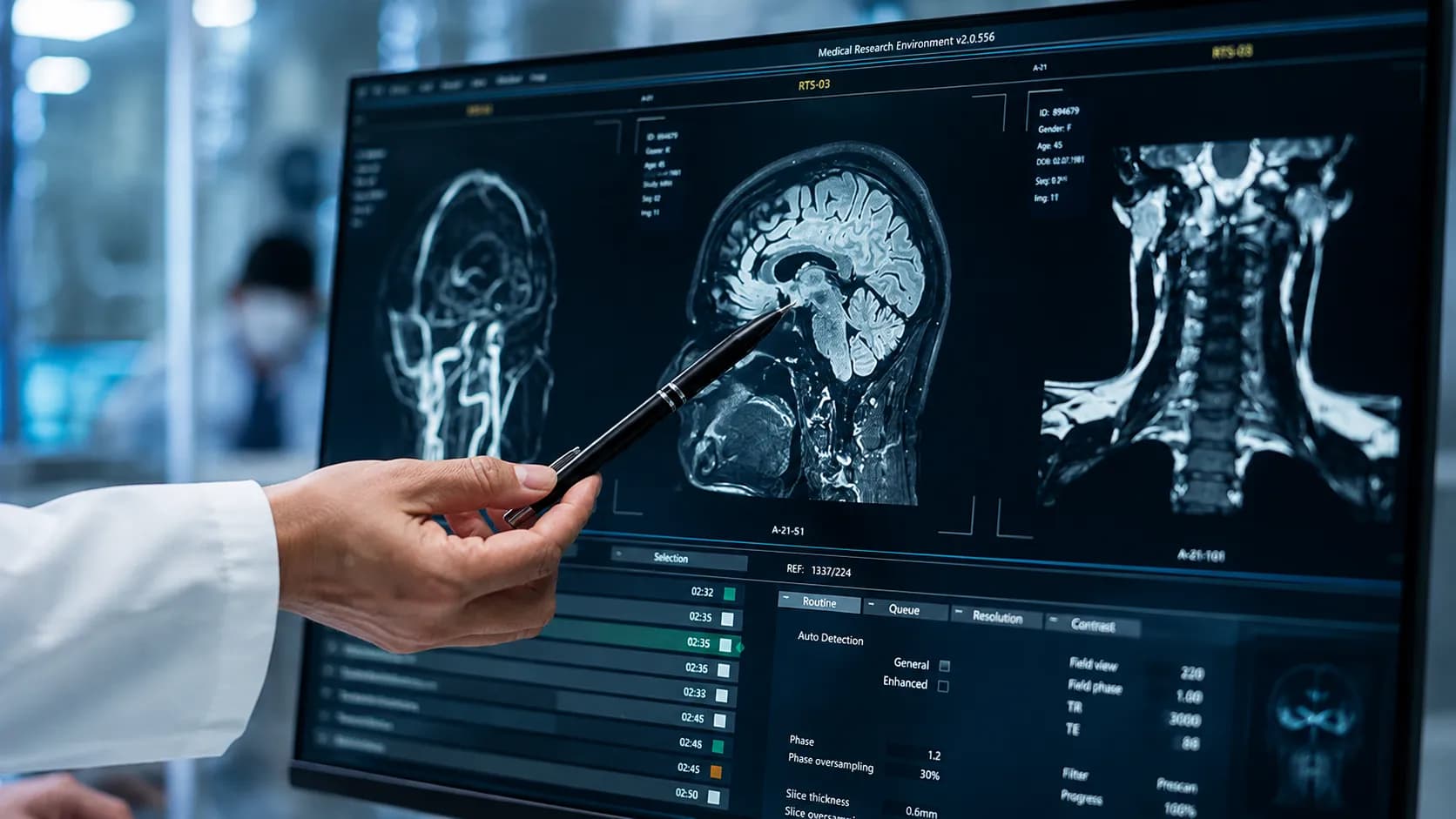
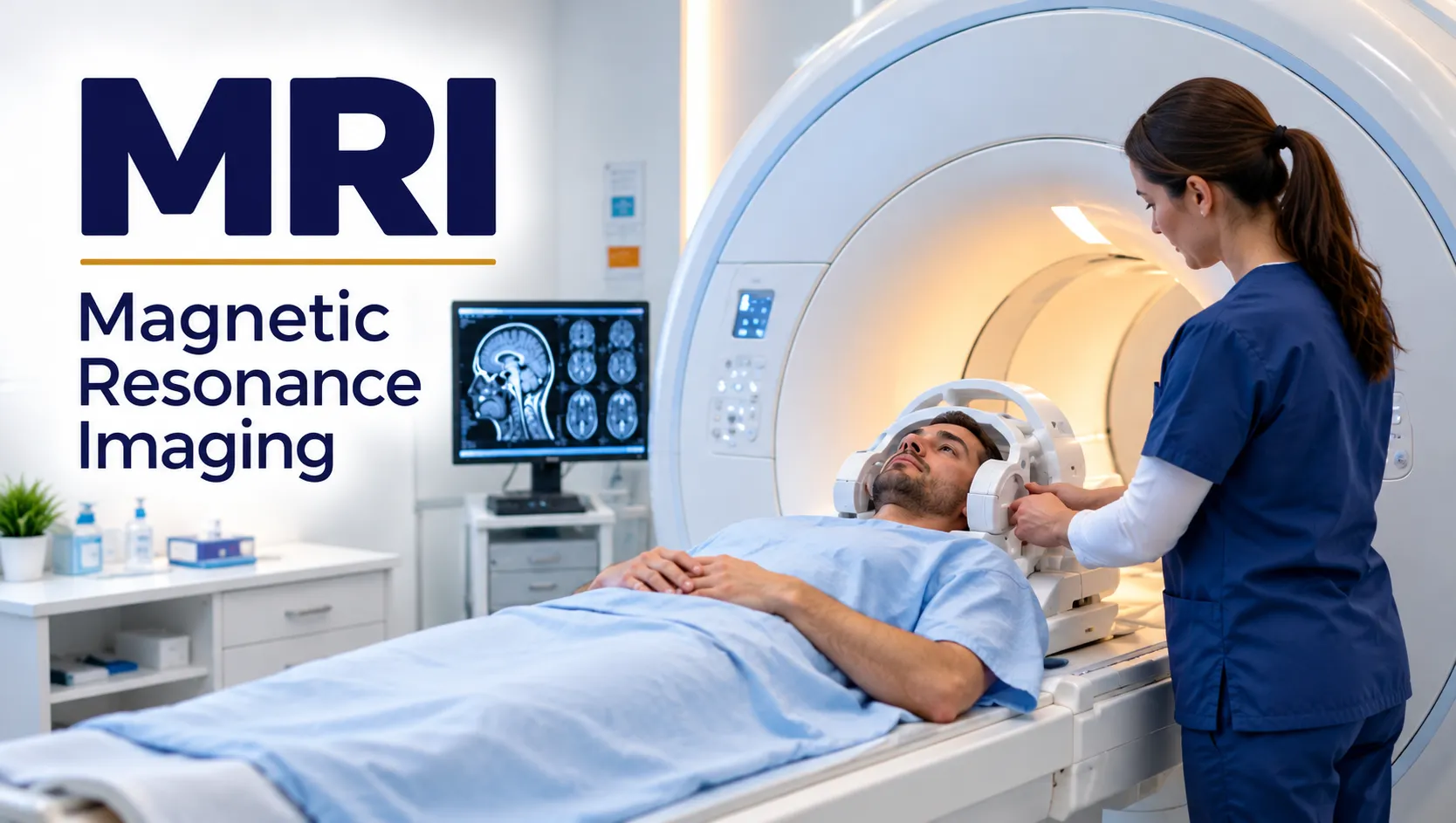
Family members must focus on boosting the patient’s willpower and capabilities at home to their maximum potential. Encouraging the patient with ideas of high self-esteem and independence makes the recovery journey easier. Diagnostic imaging tests like MRA (Magnetic Resonance Angiography), MRI (Magnetic Resonance Imaging), CT scans, and X-ray imaging are used to detect traumatic brain injury. The objective of traumatic brain injury (TBI) care is to help the patient reach the highest possible level of functionality. It improves patients' lives physically, emotionally, and socially.
The most common brain injury rehabilitation programs include -
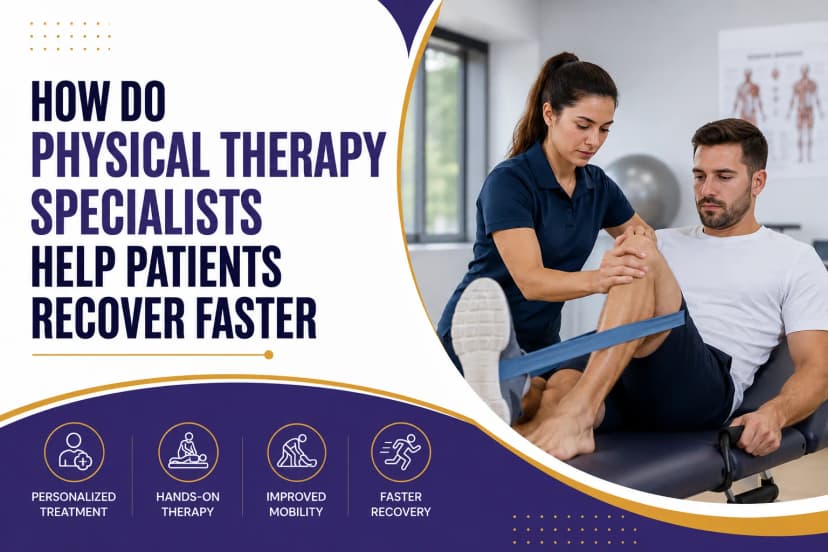
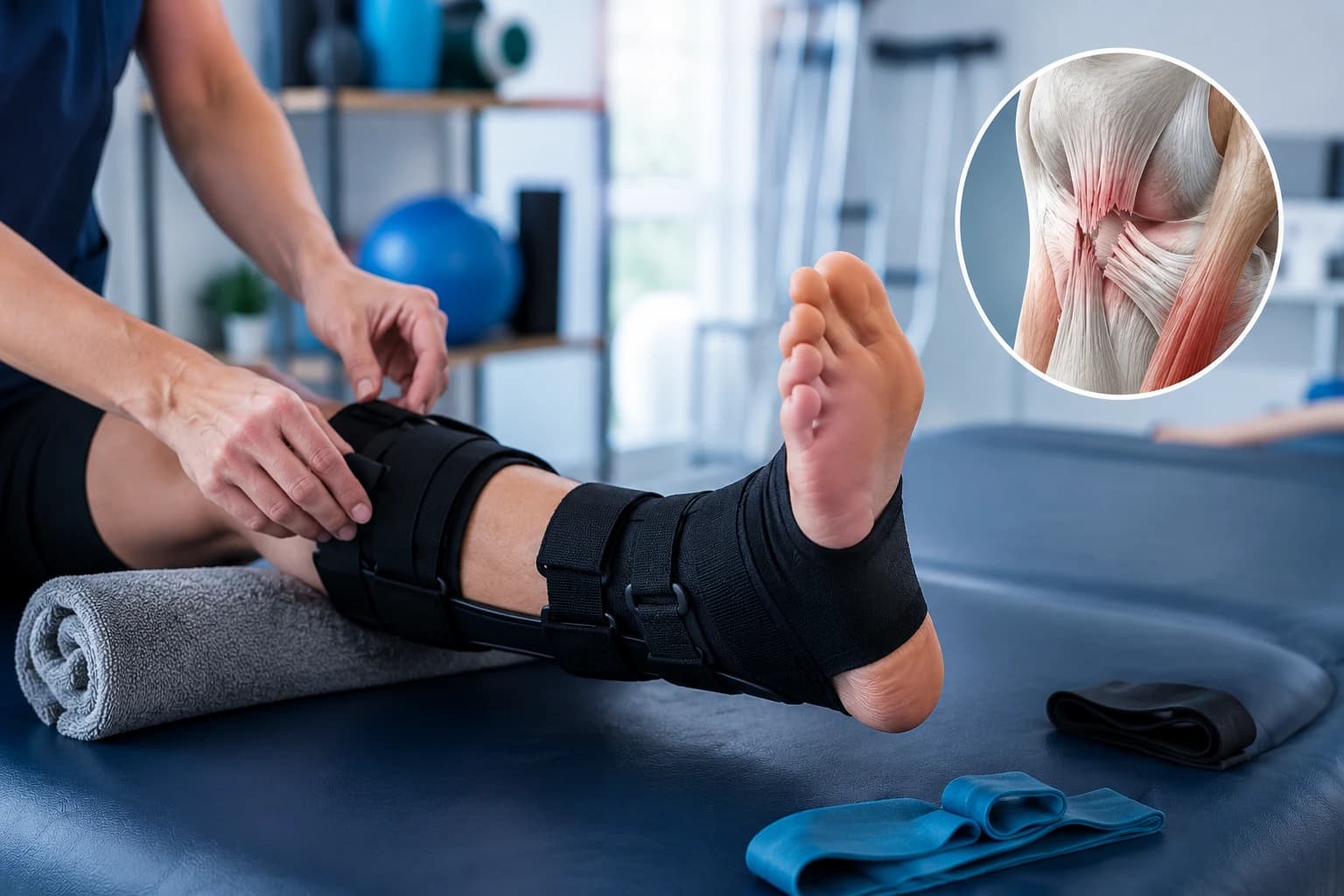
Physical care
Cognitive skills
Daily life activities
Communcation
Mobility skills
Socialization skills
Pain management
Psychological counseling
Vocational training
Educational training
Family support
Mental health support
Who Makes the TBI Rehabilitation Team?
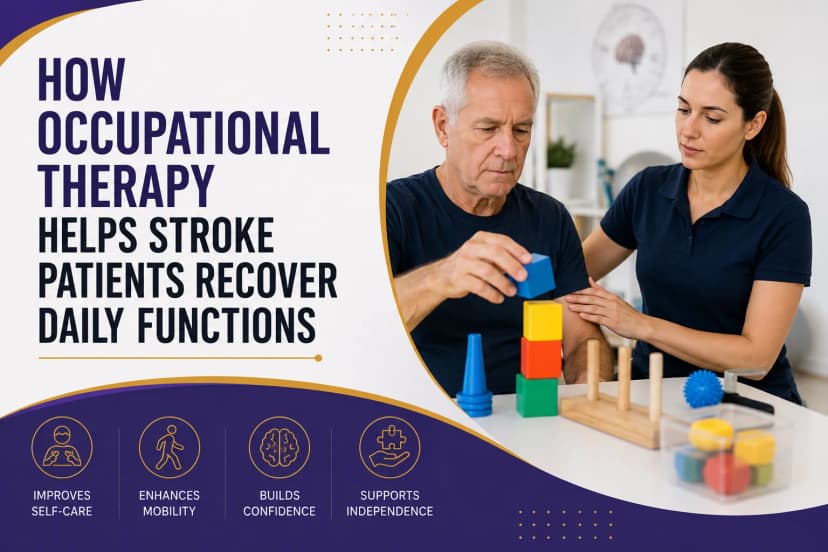
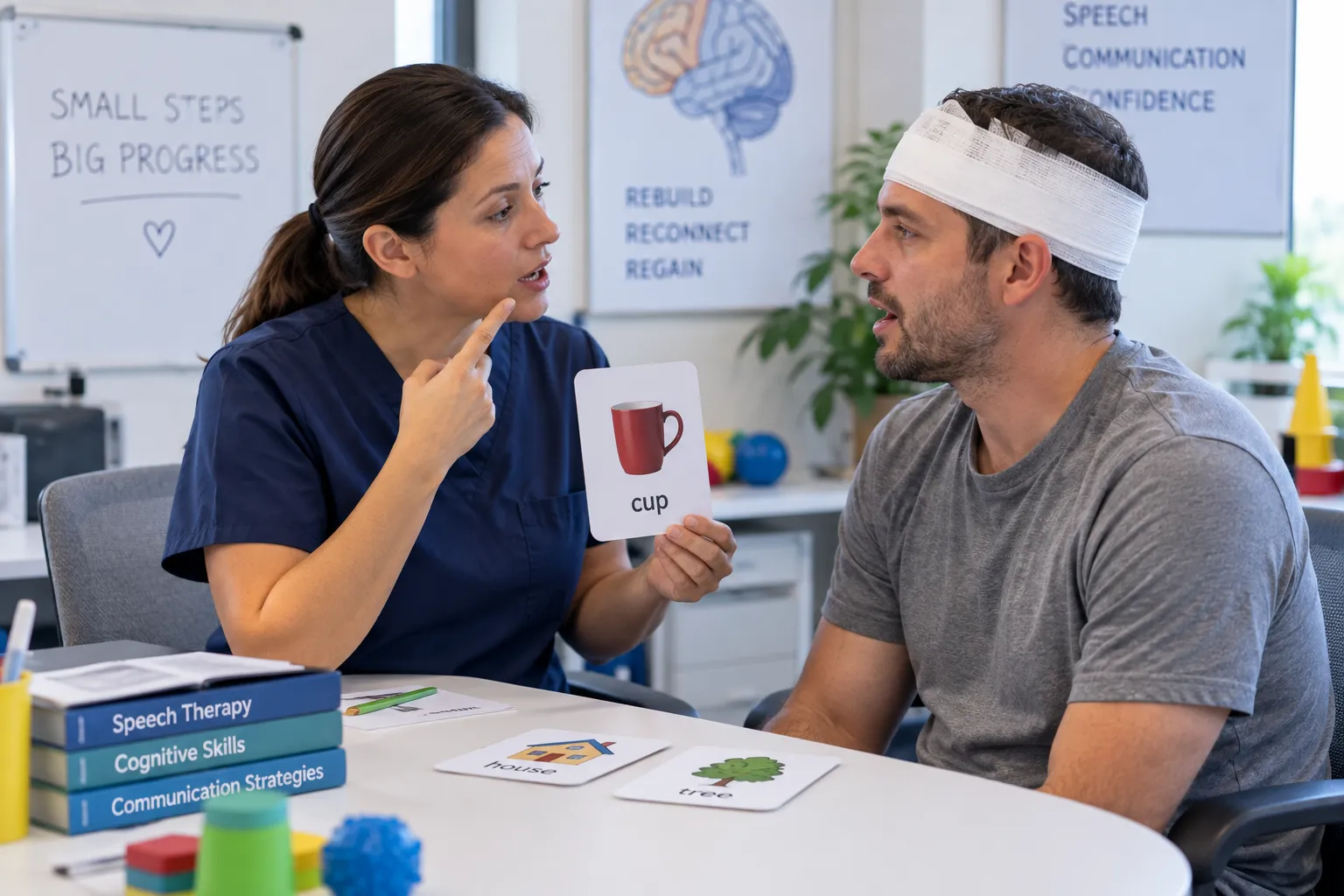
At Injury Assistance Network, our TBI rehabilitation team works with brain injury patients to set short- and long-term recovery goals. Several skilled healthcare professionals are part of the brain injury rehab team, including the following -
Physiatrist
Speech therapist
Vocational counselor
Find Experienced Medical Professionals at Orlando Locations with I.A.N.
At Injury Assistance Network, we use cutting-edge diagnostic techniques and a range of high-tech tools to accurately detect traumatic injuries from car accidents and other personal injury conditions. This helps our Orlando personal injury doctors accurately diagnose the victim’s condition, document the precise characteristics of the injuries, and prescribe a customized treatment for traumatic brain injury to help them recover from pain more quickly. If you or your child has been injured in an accident, you must connect with I.A.N. to receive the most effective TBI treatment and rehabilitation for personal injuries.