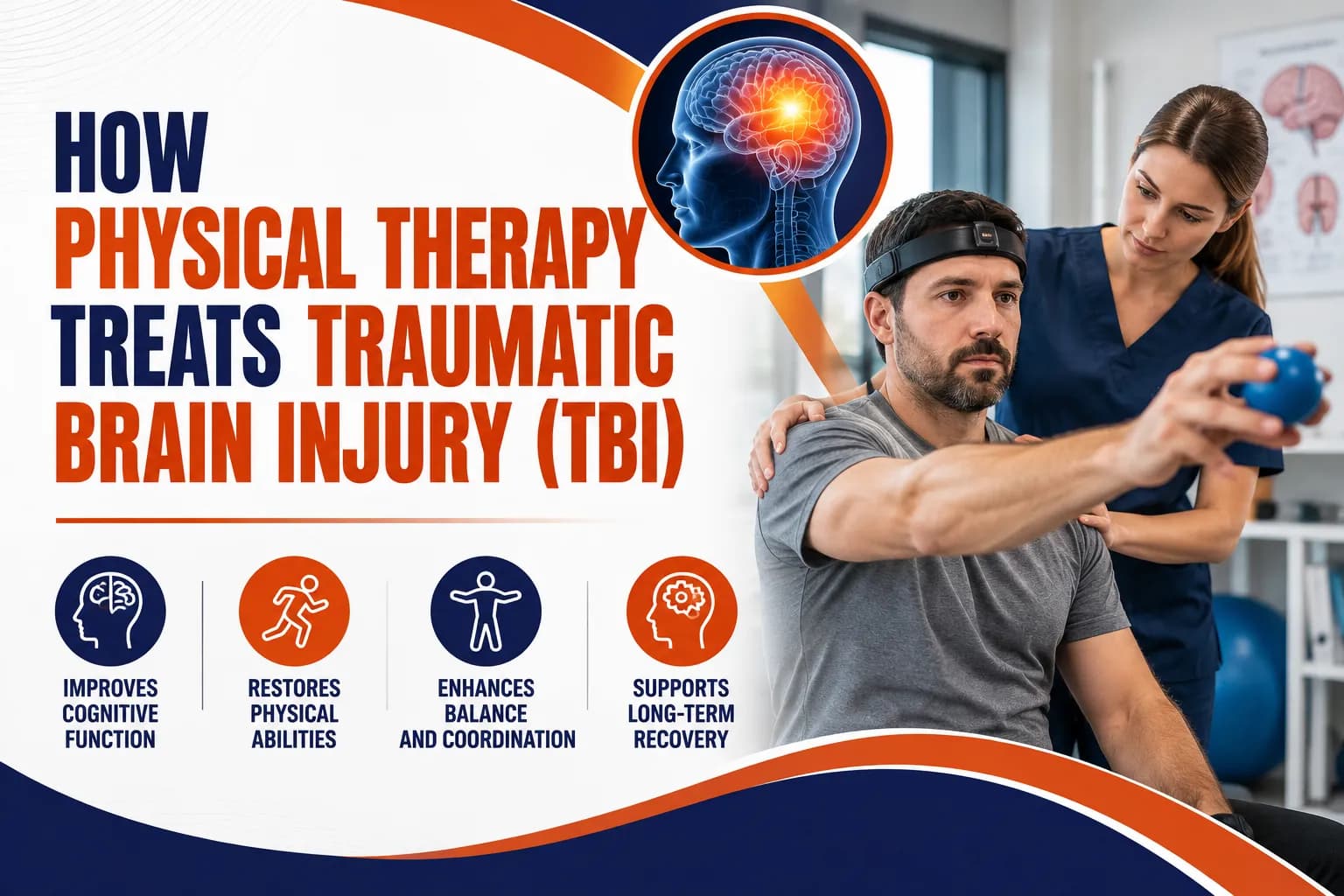
Brain injuries can devastate lives. They can disrupt daily activities by affecting the brain's cognitive, emotional, and motor regions. Millions of people in the US suffer from brain injuries in accidents. Neurological physical therapy can help with movement issues. This is vital for brain injury recovery, from hospital to home and back to work.
What Happens When the Brain Is Injured?
Brain injuries can happen due to trauma from a car or motorcycle accident or a fall from a height. This is called traumatic brain injury (TBI). Car accidents are the most common cause of brain injuries in people under 65 years of age.
Each year, millions of new cases of brain injury arise, leading to blockages in thoughts, emotions, and behavior. These issues can affect a person’s work, study, and relationships. One in three individuals under 65 needs specific treatment for traumatic brain injury and assistance from caregivers. When brain cells lose their oxygen or blood supply, they die. Although brain cells cannot regrow, physical therapy can help rewire the brain through neuroplasticity during rehabilitation.
How to Assess Brain Injury?
Assessing brain injury severity is complex. Traumatic brain injury varies based on the duration of post-traumatic amnesia, which can range from very mild cases that last less than 5 minutes to highly severe cases that extend beyond 4 weeks.
The classifications are -
Mild Injuries
Personal injury victims with TBI experience a good recovery. They may have limited concentration but can usually return to work.
Moderate Injuries
Recovery tends to occur over time; however, victims may face challenges with movement coordination and organizational skills, which may require a change in their work environment.
Severe Injuries
Severe injuries affect movement and communication. The victims need support for daily life activities and are generally unable to return to work.
Very Severe
At this stage, victims lose the ability to control movement or communicate clearly. They need constant support, including 24-hour traumatic brain injury care.
Injury classification helps explain the needs and challenges victims face as they recover from brain injuries.
How to Know If A Victim Needs Physical Therapy or Other Medical Care?
Traumatic brain injury results in complexities. Among the physical issues that are frequently encountered are:
Difficulty in walking or moving
Inability to use arms in daily tasks
Constant exhaustion
Inadequate coordination or balance
Stiffness or spasticity in your arms or legs
Lightheadedness and loss of balance
If a victim experiences any of these issues, a neurological physiotherapist can assist in treating the traumatic brain injury. Emotional and behavioral issues like sadness, anxiety, impatience, and impulsive behavior are also common in those who have had a brain injury.
See your medical practitioner or a rehabilitation expert if your symptoms show up after a mild brain injury. The symptoms may include headaches, blurred vision, lightheadedness, and issues with focus and memory.
A physiotherapist can assist you if it has been some time since your injury -
If you wish to increase your mobility
If you believe your mobility has been worse or has the potential to get better.
If you wish to resume your regular sports, leisure, or physical activity regimen.
If you want to become more fit or lose weight,
If you feel compelled to control your suffering
If you think you should learn how to use or buy new equipment, like walkers, braces, and wheelchairs.
How Neurological Physical Therapy Helps With Rehabilitation
Neurological physical therapists possess special knowledge and experience in treating brain injuries and are trained to diagnose movement issues that a brain injury causes.
Neurological physical therapy can help the victim learn to sit, dress, walk, or run and reach their full physical potential. Often, people with a traumatic brain injury experience physical concerns. Yet, they no longer continue to go to rehabilitation because they did not receive formal rehabilitation after a mild injury. Neurological physical therapists help with these issues.
Traumatic brain injury treatment is a task-oriented training program, which involves activities like walking or drinking. Physiotherapists use exercise routines to help the victim relearn these skills. Healthcare professionals help victims regain strength, fitness, and balance, and advise them on aids and advanced equipment to support rehabilitation.
How Physical Therapy Helps Recovery and Rehabilitation From Brain Injury
Neurological physiotherapy helps the rehabilitation process after a traumatic brain injury. Physical therapy uses neuroplastic training principles to help individuals rewire their brains, improving their movement and independence. Key areas of improvement include:
Increasing endurance
Strengthening the ability to sit, stand, walk, and use the arms
Boosting cardiovascular fitness
Recent research has shown the benefits of formal intensive, multidisciplinary rehabilitation (including physical therapy) starting early after injury in adults with moderate to severe traumatic brain injury. These studies also suggest that improvement can continue for many years after injury and that ongoing therapy is beneficial.
Evidence-based guidelines explain how to treat acquired brain injuries. They focus on the treatments for traumatic brain injury offered by physical therapists based on the highest scientific evidence.
What to Do at Home After a Brain Injury?
Once you are discharged from the hospital after a brain injury, you should continue with the exercises prescribed by your neurological physiotherapist. You need to stay active, within the limits of your safety. Moving ahead without exercise can further reduce your mobility and independence, which affects your confidence level and social activities.
Get the Best Traumatic Brain Injury (TBI) Care with I.A.N
Based on the severity of the damage, recovery from a brain injury might occur quickly or take years. The key is to stay positive and keep working on it every day. As per evidence, long after brain damage, a personal injury victim may continue to improve socially, cognitively, and physically. With Injury Assistance Network, connect with the top physical therapists in Orlando for effective traumatic brain injury (TBI) care and faster recovery.


Leave a Comment