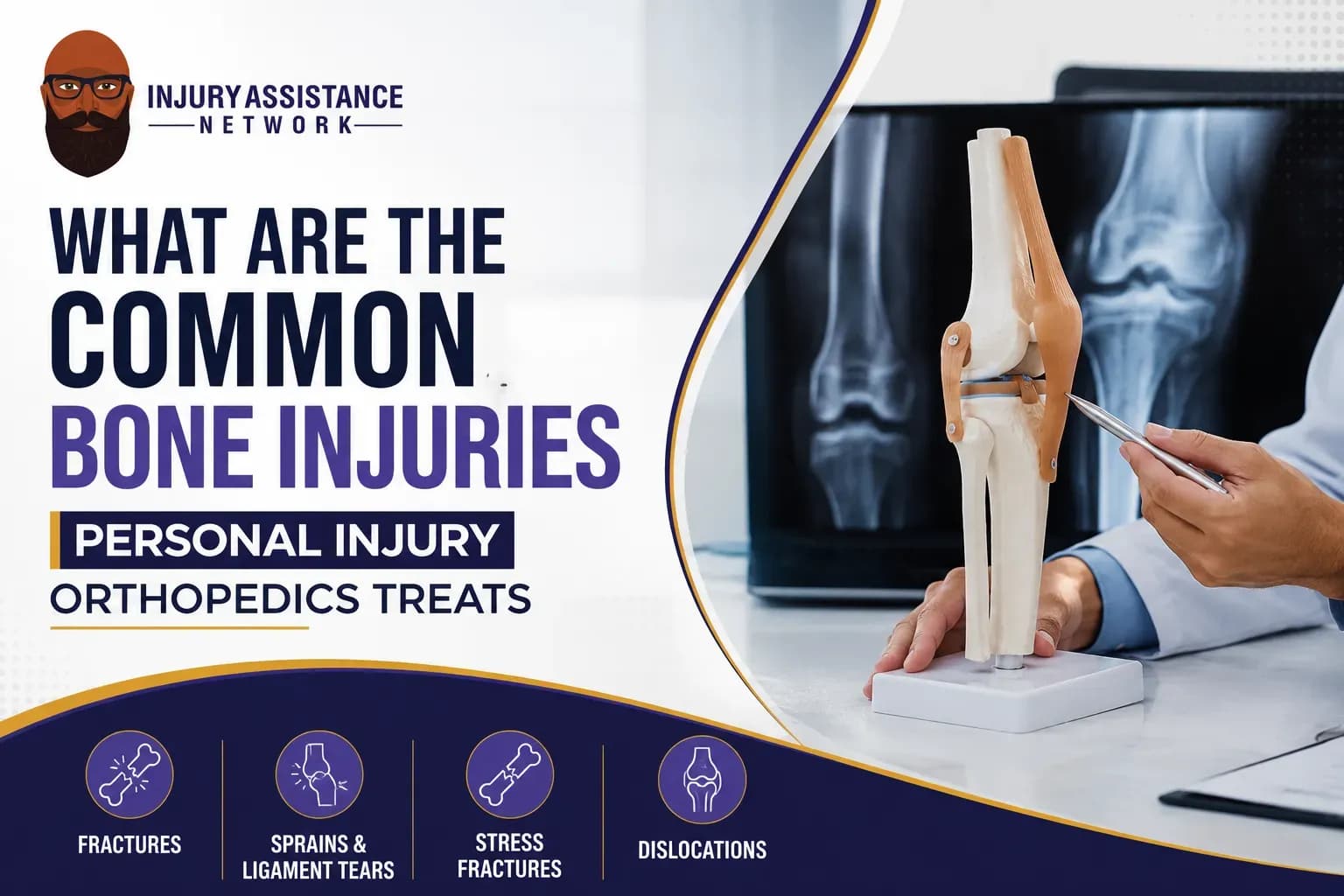
A personal injury accident can devastate the victim’s life, depending on the severity of the crash. Orthopedic and musculoskeletal injuries can turn the victim’s life upside down. The accident is over. The victim leaves the scene and forgets the mishap. But the injuries stay. After a few weeks or months, the victim realizes he can’t bend, hold grip, or bear weight freely or painlessly. Personal injury accidents can cause a range of orthopedic injuries that harm the musculoskeletal system, including the joints, bones, tendons, ligaments, and muscles. The victim can suffer from any injury, from minor strains and sprains to fractures and bone dislocations. It’s important to understand the orthopedic injuries caused by accidents to ensure proper medical care. Orthopedic injuries can have long-term effects on the victims’ health.
Skilled personal injury orthopedics treat personal injuries in the most effective ways, leading to a quick recovery. The blog centers on common bone injuries that require an orthopedic visit after an accident and how early treatment can lead to faster recovery.
Common Orthopedic Injuries Caused by Accidents
Spinal Injuries
Spinal fractures, whiplash, and herniated discs are some of the common spinal injuries caused by personal accidents. Sudden backwards and forward movement in an accident can injure the muscles and ligaments in the head and neck. Intense force of an accident fractures the vertebrae and causes nerve injury. A collision can affect the intervertebral discs of the spine, causing severe pain.
Head and Facial Injuries
TBI (Traumatic Brain Injury) is one of the most common injuries caused by a personal injury accident where the brain collides with the skull. Broken nose, cheekbones, and jaw are some of the common facial fractures.
Wrist and Hand Fractures
Wrist and hand fractures might look trivial, but the impact can be long-term. The injury might enter the joint surface and cause stiffness. Pain and inflammation caused by wrist and hand fractures can cause numbness and weakness in the nerves. Medications, surgeries, and therapies are effective orthopaedic treatments in Florida to address the fractures.
Pelvic and Hip Injuries
The force of vehicle accidents may result in pelvic fractures that can be fatal and demand urgent medical attention. The impact of the crash can break the femur at the hip joint and lead to complications and permanent disabilities.
Chest and Abdominal Injuries
Rib fractures and abdominal injuries are some of the complex injuries caused by vehicle crashes. The force of a vehicle accident may break a rib. This leads to complications like internal organ damage and damaged lungs. The force can also damage internal organs like the liver and kidneys.
Fractures and Dislocations
Vehicle accidents can result in broken hands, legs, and feet, ranging from simple to complex fractures. The force of an accident may damage the shoulder, elbow, or knee joints. Soft tissue injuries like sprains, strains, and tears in muscles, ligaments, and tendons demand orthopedic treatment after accident.
Knee Injuries
The trauma of a motor vehicle accident can damage the knee, causing instability, locking, sharp pain, and inflammation. Some of the knee injuries may take months of physical therapy to recover. Knee injuries can hamper the victims’ daily lives.
Ankle and Foot Injuries
Ankle and foot fractures make everyday life difficult. Even after the bone heals, the victim struggles with movement on the ground and stairs. Swelling may persist. Pain may amplify. When the joint suffers a fracture, it leads to post-traumatic arthritis in the victim.
What Are the Signs and Symptoms of Orthopedic Injuries?
The signs and symptoms of orthopedic injuries in a motor vehicle accident depend on the type and seriousness of the accident. Some common signs and symptoms of orthopedic injuries include -
Pain and inflammation
Affected range of motion or difficulty in weight bearing
Numbness and tingling sensations in the affected area
Deformity in limbs
Joint instability
Breathing difficulty or chest injury (due to rib injuries)
Headache, dizziness, and confusion
It’s crucial to seek instant medical attention if the victim suffers any of the signs or symptoms after a vehicle accident. Quick medical care and potent medication help treat the injury and ensure a fast recovery.
How to Diagnose Orthopedic Injuries?
The diagnosis and evaluation of orthopedic injuries in vehicle accidents comprises medical assessment, including -
Physical examination
A doctor runs a complete physical examination to assess the injury and its extent. Only after a proper evaluation of the injury does the doctor suggest the proper course of treatment.
Imaging
Diagnostic images like X-rays, CT scans, and MRI scans are done to get a clear and complete view of the injured area. The imaging reveals the specific type of injuries and their severity.
Neurological evaluation
Neurological evaluation is necessary in case of head and spinal injuries. It can detect nerve and brain damage.
Functional assessment
A medical professional checks the victim’s range of motion, strength, and overall functionality. A test shows the trauma of an injury and helps design a proper treatment plan.
Lab tests
Blood and other lab tests are performed to address latent medical conditions and closely monitor the recovery process.
What are the Effective Treatment Options for Orthopedic Injuries?
Treatment for orthopaedic injuries in a vehicle accident varies by the type and severity of the injuries. It also depends on the health condition and medical records. The most common treatment procedures include -
Surgical treatment
Surgical procedures reduce and fix fractures by realigning and stabilizing broken bones. Joint replacement is vital in severe joint damage cases. Surgeries also repair and reconstruct ligaments and tendons.
Non-surgical treatment
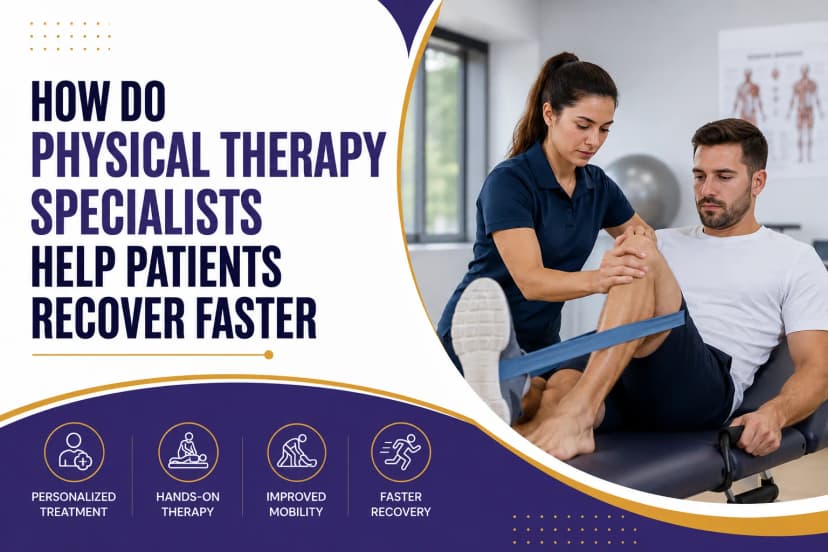
RICE (Rest, Ice, Compression, and Elevation) helps you recover from mild strains and sprains. Tools like casts, splints, and braces are help stabilize the injured body part. Physical therapy helps restore body mobility and strength. Medications like pain relievers and anti-inflammatory medications help manage pain and inflammation.
Rehabilitation Technique
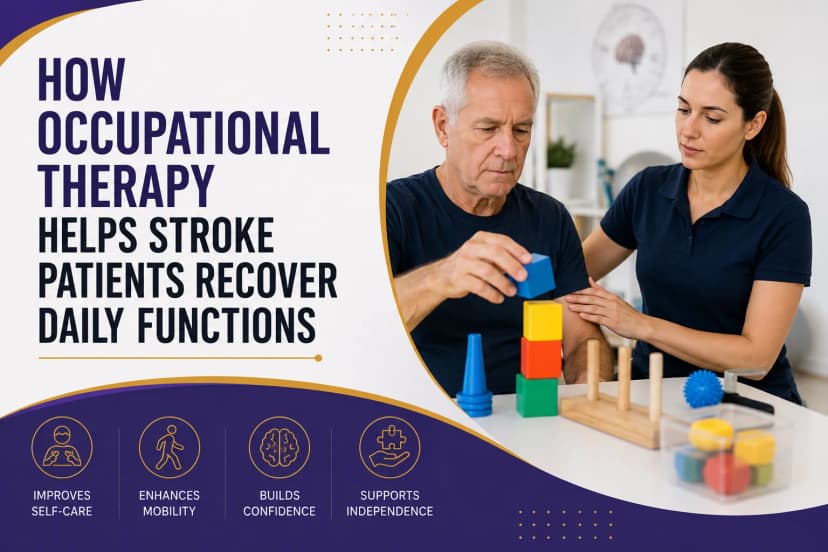
Physical therapy and occupational therapy help restore strength and mobility. Recovery tools like walkers, crutches, and wheelchairs help in the recovery process. Constant monitoring and care help heal faster and prevent further complications.
How I.A.N. Helps
Injury Assistance Network is a vast network of top personal injury orthopedics across Florida. Our specialized orthopaedic professionals with years of experience and expertise effectively treat your injuries for a speedy recovery. If you or someone you know has been injured in a personal injury that has caused fractures or bone injuries, contact us as soon as possible. If you notice any sign or symptom of an orthopedic injury after your accident, don’t delay seeking medical attention. At I.A.N., get comprehensive treatment and personalized care from dedicated medical professionals.
Leave a Comment