Effective Chiropractic Solutions for Sciatica Relief
What Is Sciatica?
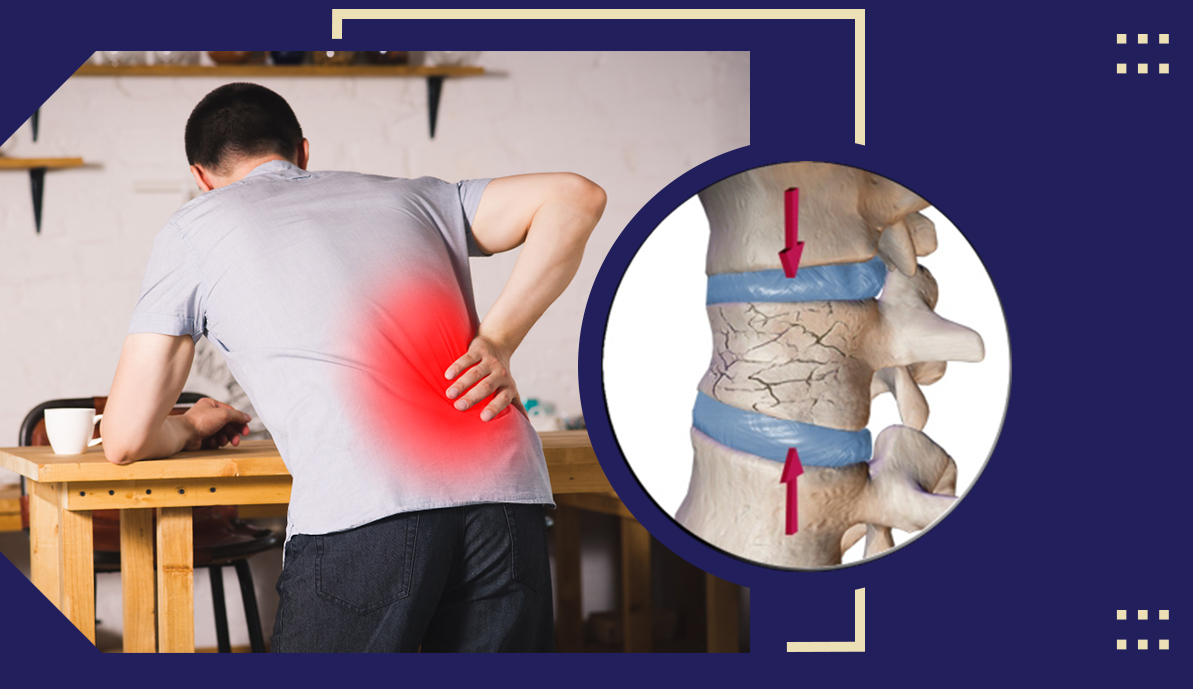
The sciatic nerve, according to the medical experts, is the largest and longest nerve in the body. It originates in the lower back at the junction of the nerves between the fourth lumbar vertebra and the third sacral segment.The pain travels the path of the sciatic nerve from your lower back down through your buttocks and legs and sometimes extends to your ankle, foot, and toes. It can also radiate to your lower back!The pain may be accompanied by electric shock or burning sensations, numbness, altered sensation, stinging, tingling, or loss of leg strength.To make matters more complicated, although sciatic pain is usually in the back of the legs or thighs, in some people, it may be in the front or sides of the legs or even in the hips. For some, there is bilateral sciatica, Which means pain in both legs.The quality of the pain can vary. It can be a constant throbbing that goes away for hours or even days, very painful, or like a knife wound.Causes of Sciatica
Sciatica has a wide variety of causes. Your personal injury chiropractor can determine the cause, which may include an unhealthy spine with misaligned vertebrae, a damaged intervertebral disk, a protruding disk, or a herniated disk.The most common causes of sciatica are bad posture, accidents, trauma, blows, stress, and long hours of sitting… Any pressure, muscle spasm, back strain, pain, or inflammation that affects the sciatic nerve can trigger sciatica.Whatever the cause of sciatica, almost always, the pain originates from a vertebral subluxation, which is a blocked or misaligned vertebra that inflames or compresses the sciatic nerve. The result can be pain in one or both legs.Symptoms of Sciatica
Often, sciatic pain travels from the lower back, causing lower back pain, to the back of the thigh, usually on one side only. It can even travel down the thigh through the leg. Sciatica can reach the foot or toes.Sciatic pain can be chronic for some people; for others, it occurs occasionally, 1 or 2 times a year, coinciding with aggravating factors, such as overexertion or changes in the weather. However, the absence of symptoms doesn't mean that They corrected the cause of your pain.Some symptoms of sciatica are:- Pain in the back of the leg
- Lower back pain
- Burning sensation, tingling, or pressure in the leg
- difficulty moving the foot or leg, weakness, or numbness.
The Chiropractic Solution to Sciatica
All sciatica pain sufferers should see a doctor of chiropractic to ensure that their lumbar spine does not have a vertebral subluxation that causes vertebral misalignment pressure on the disc and the sciatic nerve.The chiropractic specialist examines the lumbar and sacral areas because that is where the roots of the sciatic nerve are.Thanks to specific spinal adjustments, personal injury chiropractors eliminate the pressure on the sciatic nerve and reposition the lumbar or sacral vertebrae in their correct position so that the problem does not recur.Unlike traditional solutions, Chiropractic care is not content with relieving pain but seeks out and treats the origin of the problem to prevent it from reoccurring or worsening.Thus, the health of the spine improves naturally and safely, without the use of surgery or drugs and, therefore, without risks or side effects.Another advantage is that treating the lumbar problem balances the entire spine. As a result, the nervous system functions better, which has a positive effect on the whole body and health.How a Personal Injury Chiro Near Me Can Help Me with Sciatica Pain?
First of all, sciatica is not a disease; it is a symptom. In most cases, the underlying condition of sciatica is a problem related to the spine. These include spondylolisthesis, lumbar disc herniation, and spinal stenosis. Therefore, to provide results for sciatica pain relief, it is necessary to improve the condition of the spine, which is the primary goal of every chiropractic adjustment.Spinal realignment reduces pressure on the sciatic nerve, decreasing inflammation and irritation and leading to pain relief. Sometimes, results are visible after just one session, but it usually takes several appointments to achieve long-term results. It all depends on the underlying condition causing the sciatica in the first place.Injury Assistance Network Can Help You with Your Pain
Sciatica can be a debilitating condition, but effective relief is achievable through chiropractic care. The key to managing and overcoming sciatica lies in addressing the root cause, often a misalignment in the spine that is putting pressure on the sciatic nerve. Personal injury chiropractors use targeted adjustments to alleviate this pressure, reduce inflammation, and restore proper alignment, which helps mitigate the pain and prevent future episodes.At Injury Assistance Network, we are dedicated to connecting you with skilled chiropractors who specialize in treating sciatica and other personal injuries. Our network is designed to ensure that you receive comprehensive and personalized care that targets the underlying issues rather than just masking symptoms. If you're experiencing sciatica or any related discomfort, trust Injury Assistance Network to help you find the proper chiropractic care for effective and lasting relief. Let us be your guide towards a healthier, pain-free future.Share with your friends: