Occupational Therapy to Address Mental Health in Inpatient Rehab
Inpatient Rehab and Occupational Therapy
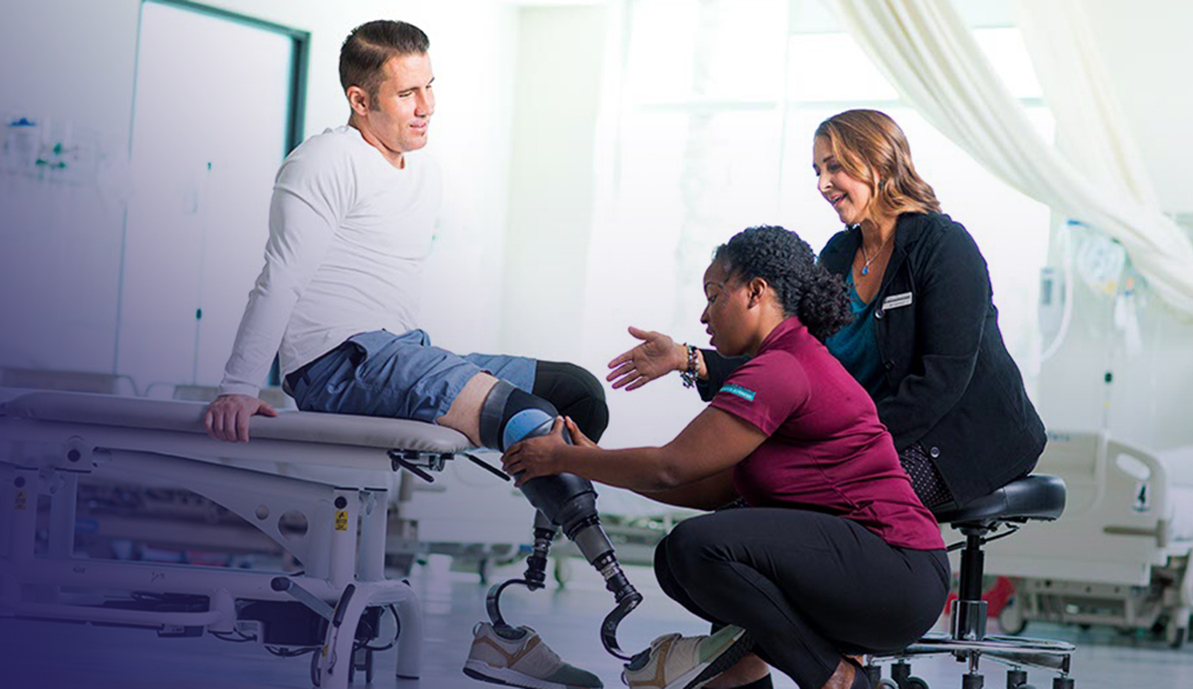
Inpatient Rehab Occupational Therapy involves treating patients with strokes, organ transplants, surgery, cancer, heart problems, fall cases, end-of-life care, fatigue, vision loss, home safety concerns, and memory issues, among so many others. Services may address Activities of Daily Living (ADL), homework, fatigue management, community involvement, empowerment, home safety, cognitive retraining, equipment use, family education, taking medications and self-care. Occupational therapists work with the patients, their families, and the care team by identifying other associated therapies, equipment, training, and recommendations as part of a safe plan for returning home.Some of the ailments, like strokes or cancer, can have a significant impact on the mental health of the patient. Depression and anxiety are common denominators in inpatient rehab, causing sleep and psychological disorders.How Mental Health Affects Rehabilitation
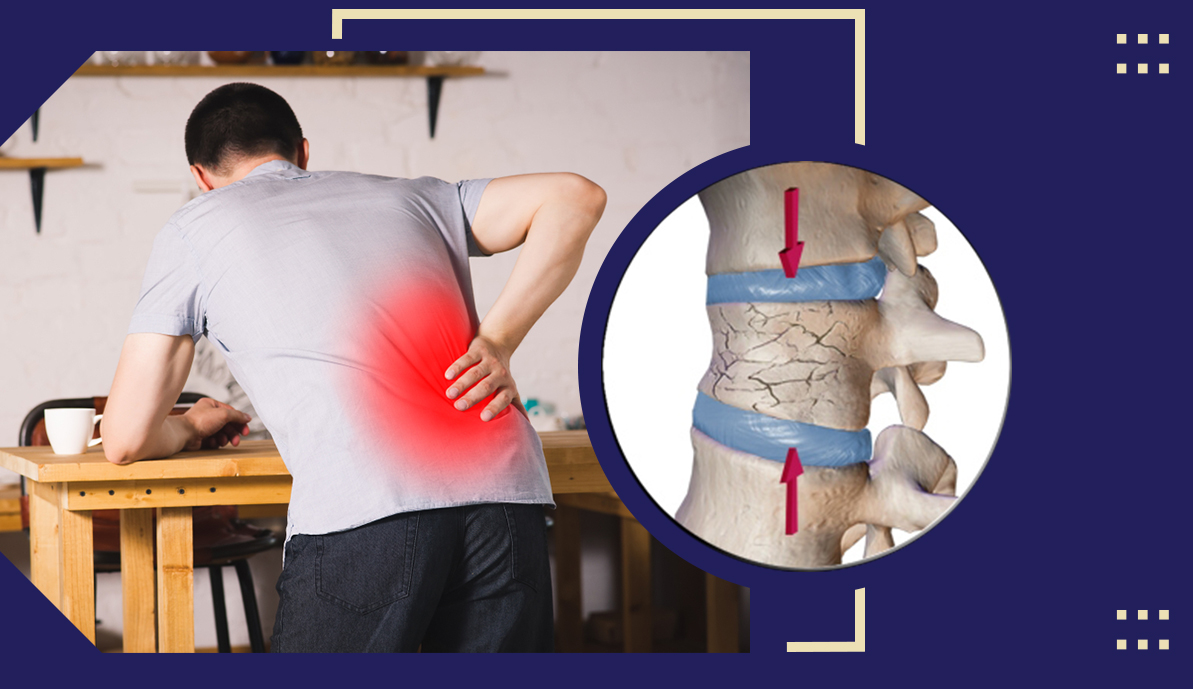
Mental health is vital in rehabilitation for many reasons. One is it can motivate a person to recover and become deeply involved in the therapy.Mental health can also influence the ability to manage pain, which affects the recovery from injuries or illnesses. Negative emotions like anxiety and depression can affect the sensation of pain, making it more challenging to manage discomfort.Another critical factor for a good recovery is good habits. A person with mental health issues may face difficulties in sleeping or have poor eating habits and seek refuge in smoking or alcohol to manage their anxiety or depression. These habits need an absolute upturn.Occupational Therapy For Mental Health
Occupational therapy for anxiety, depression, and other mental health issues in physically disabled patient rehabilitation negatively affects functional recovery. Strategies in occupational therapy practice in addressing these symptoms propose two types of intervention. The first one takes place in a controlled environment of stimuli and necessary materials, for example, in the mental health center. The second is in a natural context and environment, whether at home or on the street, where the person carries out the activities generally. It is the occupational therapist who decides whether to carry out the activities randomly or carry them out in a previously controlled environment, depending on the case.Functions Of The Occupational Therapist In Treating Patients With Mental Health Problems
The occupational therapist fulfills several functions that contribute to the proper functioning of Inpatient rehab occupational therapy for mental illnesses. These functions range from an administrative, educational, and interventional scope that will guarantee the patient's rapid recovery.Below are some functions an occupational therapist must fulfill in the different recovery processes.Organization Process
Administrative functions
- Preparation of protocols, programs and projects.
- Participation and development of improvement actions in quality groups and programs aimed at improving the quality of life.
- Preparation of care plans.
- Preparation of inventories and material purchase proposals. Management of furniture, space, tools and materials.
- Planning and carrying out Individual Therapeutic Programs (P.T.I) with the interdisciplinary team.
Organization, coordination and supervision functions
- Train team members who collaborate in the execution of occupational therapy programs.
- Train and supervise occupational therapy practice staff and staff
- collaborators from other disciplines.
- Organization of recreational activities in the annual festival calendar.
- Coordination of workshops, work arrangements, as well as their organization.
Control and monitoring function.
- Control and monitoring of treatments.
- Use of standardized and reliable mechanisms for patient monitoring.
- Periodic recording of data.
- Attendance at interdisciplinary meetings.
Intervention process
Evaluation, monitoring and re-evaluation
- Evaluation/assessment of each person's situation (analysis of capabilities and limitations, abilities and potential, performance patterns, motivation and participation in occupational areas, analysis of needs and expectations of change).
- Evaluation/assessment of the environment and contexts of each person (analysis of the dimensions
- environmental factors or factors that inhibit limit, enhance and facilitate the occupational performance of each individual).
- Use direct and indirect sources that indicate the need for occupational therapy.
- Evaluation of the applied programs and their effectiveness.
- Prioritization of needs to be covered.
- Evaluation during the treatment process and reevaluation upon discharge.
- Evaluation of occupations upon discharge and environmental requirements.
Intervention
- Develop planned programs and activities.
- Apply the techniques determined according to the reference frameworks.
- Apply treatments and develop them in collaboration with the interested person.
- Use the activity as a treatment vehicle.
- Use systems and procedures empirically demonstrated by occupational therapists.
Teaching process
Training
- Attendance at conferences, seminars and courses.
- Attendance and participation in clinical sessions.
- Participation in the training of professional associations.
Difusion
- Participation in conferences, courses and seminars.
- Collaboration with university centers.
- Serve as practical teachers.
- Provide training courses.
- Poster creation.
- Dissemination of the profession through the professional association.
Research functions
- Methodize the occupational therapy treatment process according to theories and methods
- scientifically validated.
- Establish aspects as objects of research.
- Scientifically assess the effectiveness and efficiency of occupational therapy treatment.
- Prepare research protocols.
- Participate in multidisciplinary research groups.
- Participate and design evaluation scales.
Part Of An Integrated Mental Health Treatment
Good mental health is necessary for a speedy recovery, but this is not always achieved. Suffering an injury, an accident, or going through an illness contributes to the deterioration of our mood, thus affecting prompt recovery.Inpatient rehab occupational therapy for mental illnesses is crucial for patient rehabilitation. The occupational therapist must perform several functions and strategies to rehabilitate the personal injury victim. If you or a family member suffers from depression or anxiety preventing the person from a complete recovery, reach us soon. Contact us, and we can refer you to the best occupational therapy professionals who can help you with your physical and emotional health and, if necessary, judicial assistance.Share with your friends: