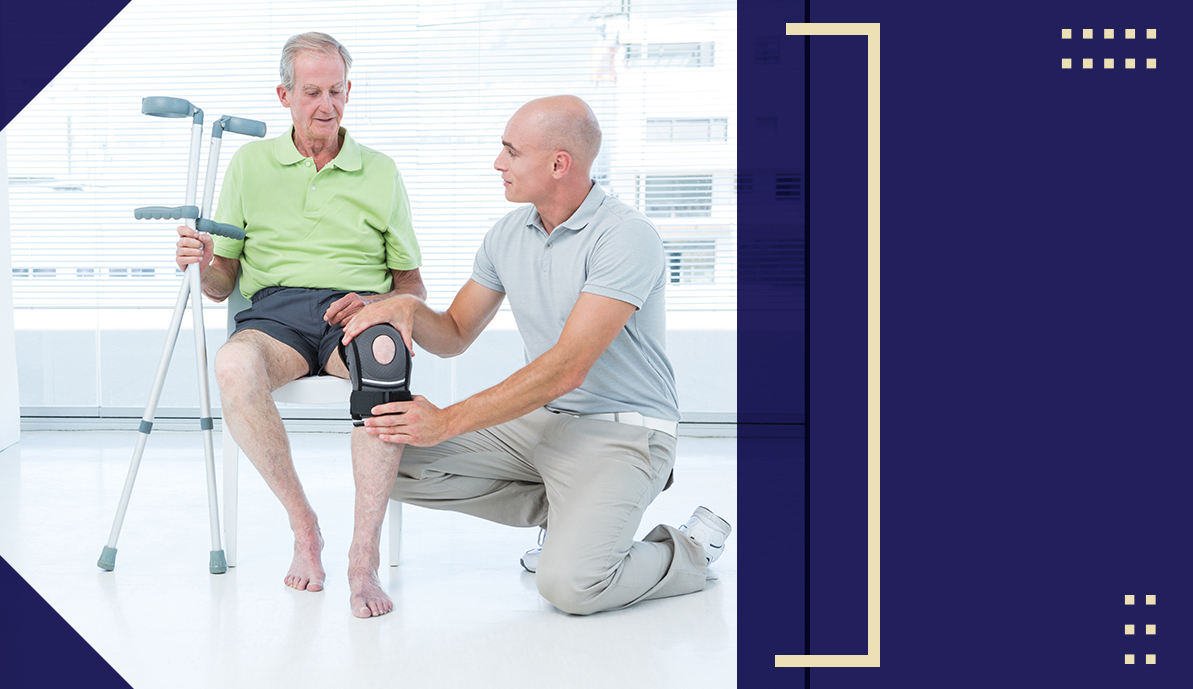
Physiotherapy Approach to Bone Fractures
What Is a Bone Fracture?
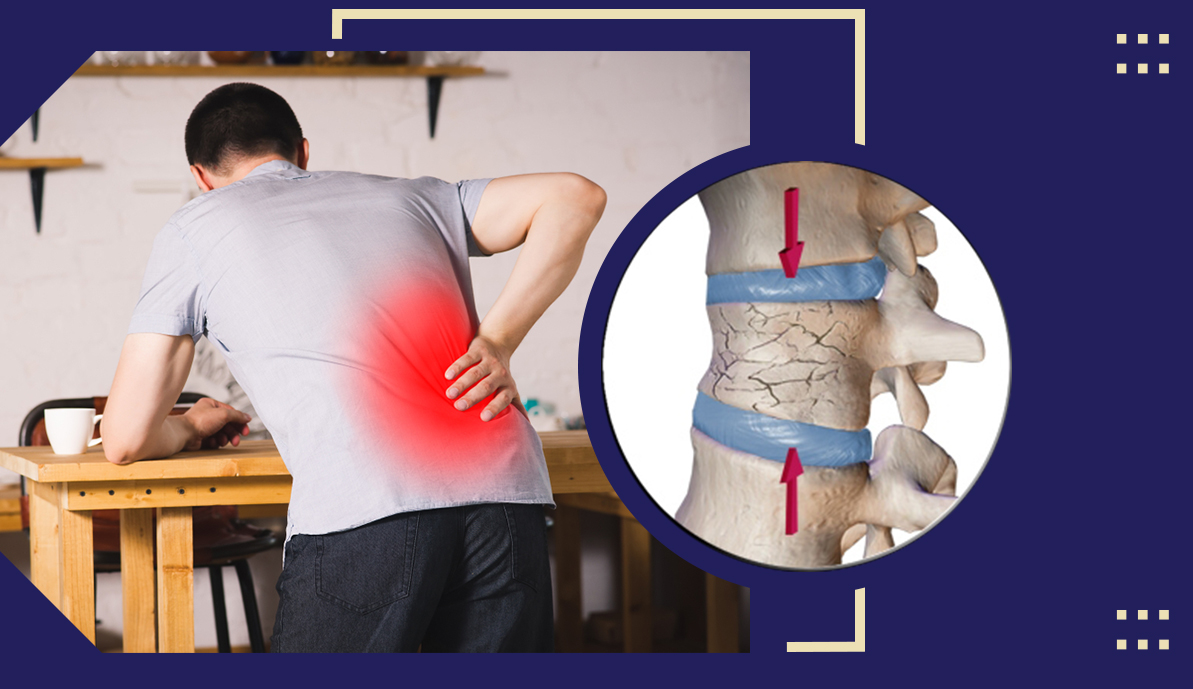
Bone fractures are a type of injury of traumatic origin or due to mechanical stress characterized by a loss of continuity in the bone tissue. This loss is due to the influence of different external forces that can directly or indirectly affect the bone diaphysis.This type of pathology is related to car accidents, direct trauma from falling, or suffering a sudden blow.They are considered the most common trauma injuries worldwide and can affect all ages. However, there is a high prevalence in older adults, given that wear occurs in the bone diaphysis.What Are the Clinical Manifestations That Occur After a Bone Fracture?
Being a traumatic injury, the clinical manifestations are usually quite violent, especially in open fractures. They can manifest different symptoms, such as:- Presence of generalized inflammation directly on the affected region.
- It is common for there to be edema and fluid retention, especially when there is a rupture of blood vessels.
- At first glance, a body deformity can be seen as a result of the fracture.
- People usually tend to have acute and intense pain along the affected limb.
- Hematomas or bruises may appear.
- There will be difficulty in moving the affected limb.
How Does Regeneration Occur?
Before beginning the rehabilitation and specialized physical therapy process, the specialist must be knowledgeable about bone regeneration processes. This knowledge allows the specialist to offer the patient an adequate approach at the ideal time to improve the patient's physical health. If the specialist is unaware of this, the condition of the injury may worsen.This bone repair process is described below:- Proliferation and inflammation phase. This phase includes the first 2 - 3 weeks after the fracture. During this time, a protective inflammatory response will occur around the bone, as well as an accumulation of local repair substances and cells.
- Soft callus phase. During this phase, which takes place 3 - 4 weeks after having suffered the fracture, the inflammation process has ended, and the soft bone callus begins to form, which is composed of hyaline cartilaginous tissue by the action of osteoblasts and osteoprogenitor cells. During this period, neovascularization also occurs.
- Hard callus phase. This phase occurs between 4 and 6 weeks after the fracture. It facilitates the maturation of the bone callus, obtaining hard and irregular tissue.
- Remodeling phase. This phase is the last and the one that takes the longest, taking from a few months to years. During this phase, the bone tissue will try to remodel itself and adapt correctly to how it was initially before suffering the injury—physiotherapy intervention for the treatment of fractures.
What Is the Treatment From Physiotherapy After a Fracture?
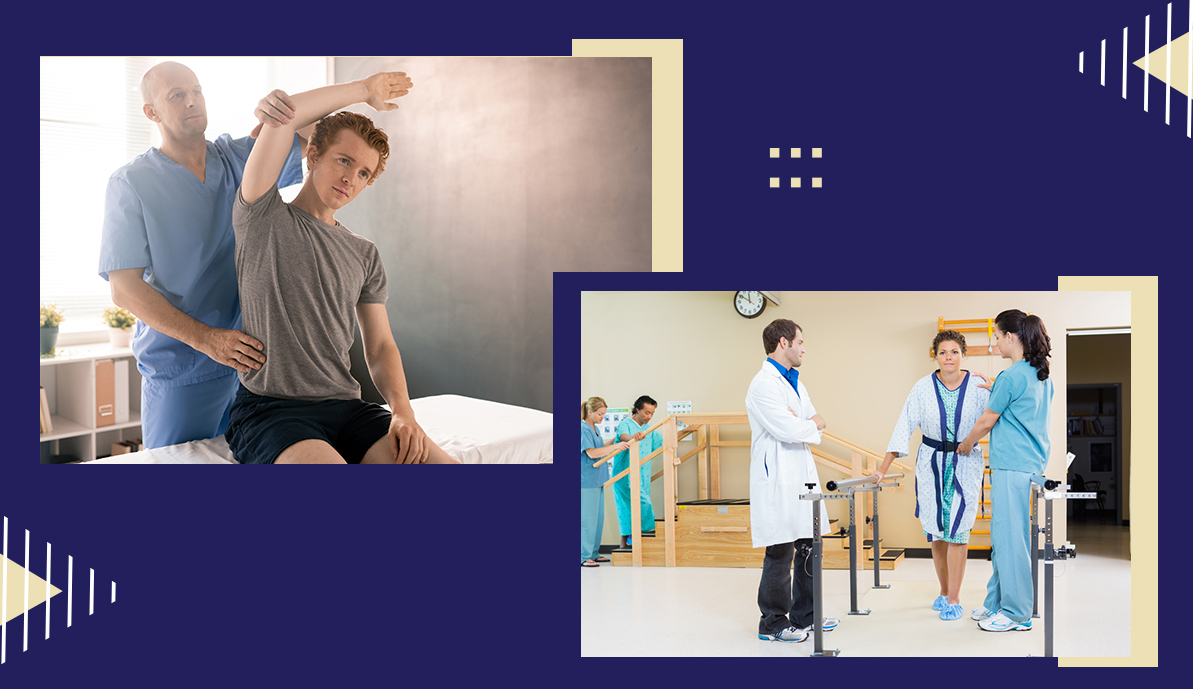
Specialized physical therapy and rehabilitation clinics have expert professionals in the health area who are highly qualified to apply a wide range of treatments that will help you regain and improve your physical health after having suffered a bone fracture.Generally, the physiotherapy intervention after suffering a fracture will aim to improve mobility and promote the strengthening of the muscles possibly involved. To do this, different treatment maneuvers can be applied, such as:Passive Mobilizations
After removing the cast, mobilizations can be performed to help improve the production of synovial fluid and the range of movement.Active Mobilizations
Progressing from passive mobilization to assisted, accessible, and resisted mobilizations, the aim of which is to improve the range of movement and neuromuscular control.Therapeutic Exercises
Starting with isometric contractions and progressing to concentric and eccentric contractions, respectively, helps promote muscle strengthening and movement control.Re-education of Walking and Standing
In the event that the fracture has occurred on the lower limbs, each of the phases of walking must be taught progressively, fulfilling segmented objectives.Application of Physical Agents
Physical agents such as electrotherapy, thermotherapy, and shock waves can be used in specialized physical therapy. These mainly help stimulate muscles, promote bone regeneration, and generate local analgesia.Final Words
Injury Assistance Network has a vast network of health specialists. We have the best professionals who are experts in rehabilitation and physical therapy and are willing to offer you the best approach in a personalized way so that you can improve your physical health after having suffered a fracture.Contact us today and begin your journey to a speedy recovery. Do not allow a fracture to affect your quality of life; contact a professional from Injury Assistance Network to start your recovery.Share with your friends: