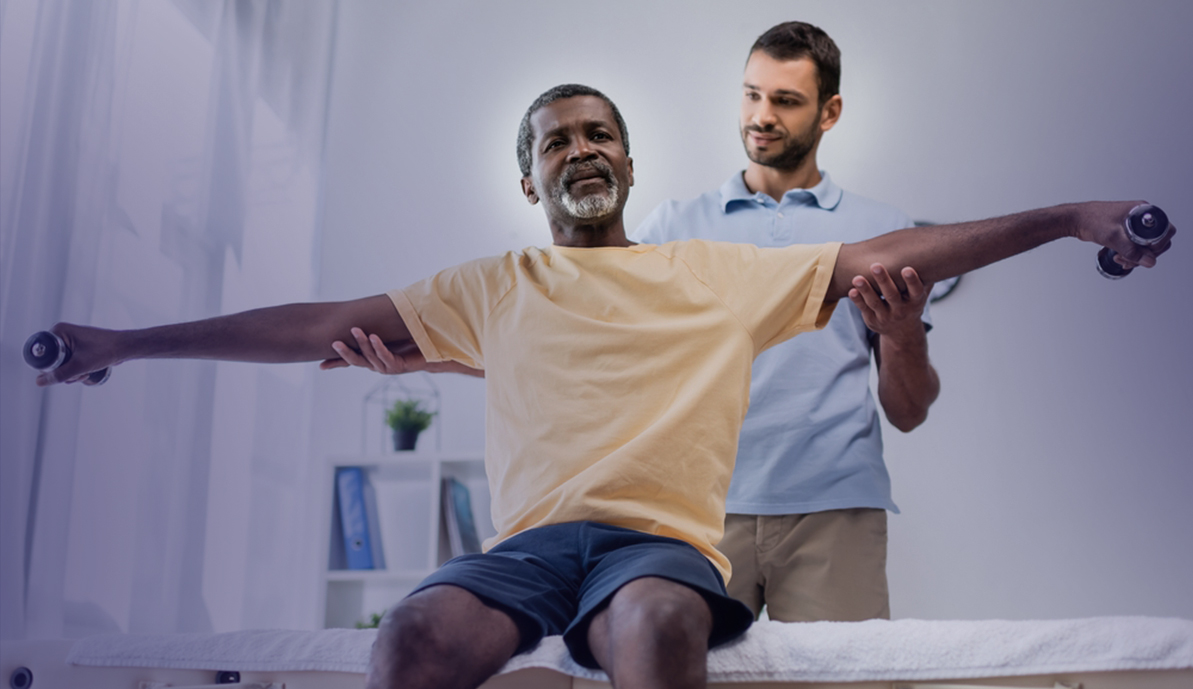
The Power of Movement: Physical Therapy Benefits for Seniors
Benefits of Physical Therapy for Seniors
Physical therapy offers a wide range of benefits for seniors, both physically and mentally:- Improved Mobility and Balance: Physical therapy exercises focus on strengthening muscles, increasing flexibility, and enhancing coordination. This can significantly improve a senior's ability to move around safely and confidently, reducing the risk of falls and injuries.
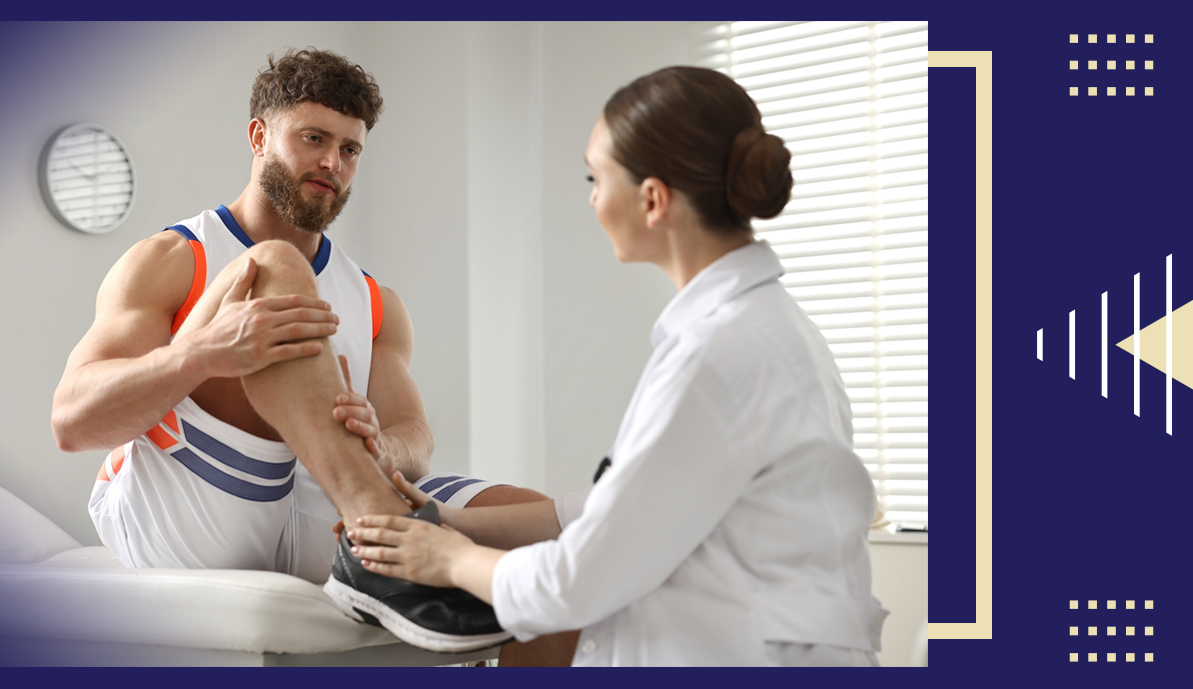
- Reduced Pain and Stiffness: Physical therapists use various techniques, such as manual therapy, to alleviate joint pain, muscle stiffness, and arthritis-related discomfort. This can improve a senior's daily living activities and overall comfort.
- Enhanced Strength and Endurance: Strength training exercises incorporated into physical therapy can help seniors maintain muscle mass and improve their ability to perform daily tasks without fatigue. This can foster a sense of independence and self-reliance.
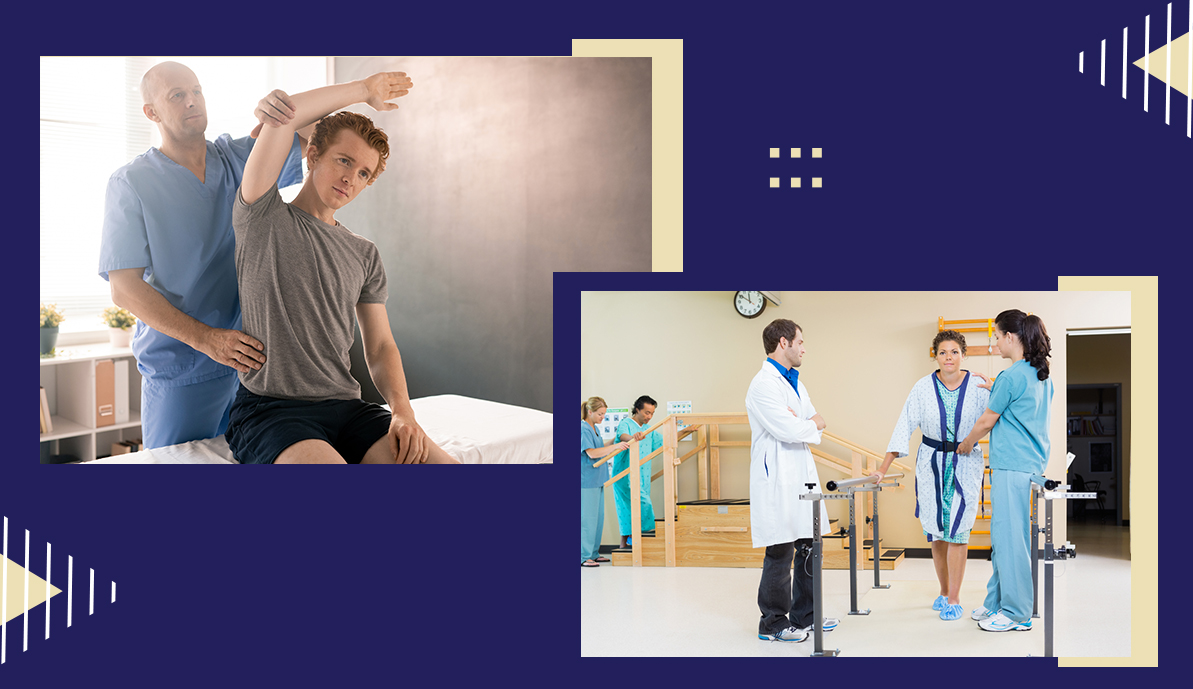
- Fall Prevention: Physical therapists conduct gait training and balance exercises to improve a senior's walking pattern and stability. This reduces the risk of falls, a significant concern for older adults and a major contributor to injuries and hospitalizations.
- Improved Post-Surgical Recovery: After surgery, physical therapy plays a crucial role in regaining strength, mobility, and flexibility in the affected area. This can significantly reduce recovery time and improve a senior's ability to return to their daily activities.
- Boosted Confidence and Mental Well-being: Increased mobility, reduced pain, and a sense of accomplishment achieved through physical therapy can significantly enhance a senior's confidence and self-esteem. This can contribute to improved mental well-being and a more positive outlook on life.
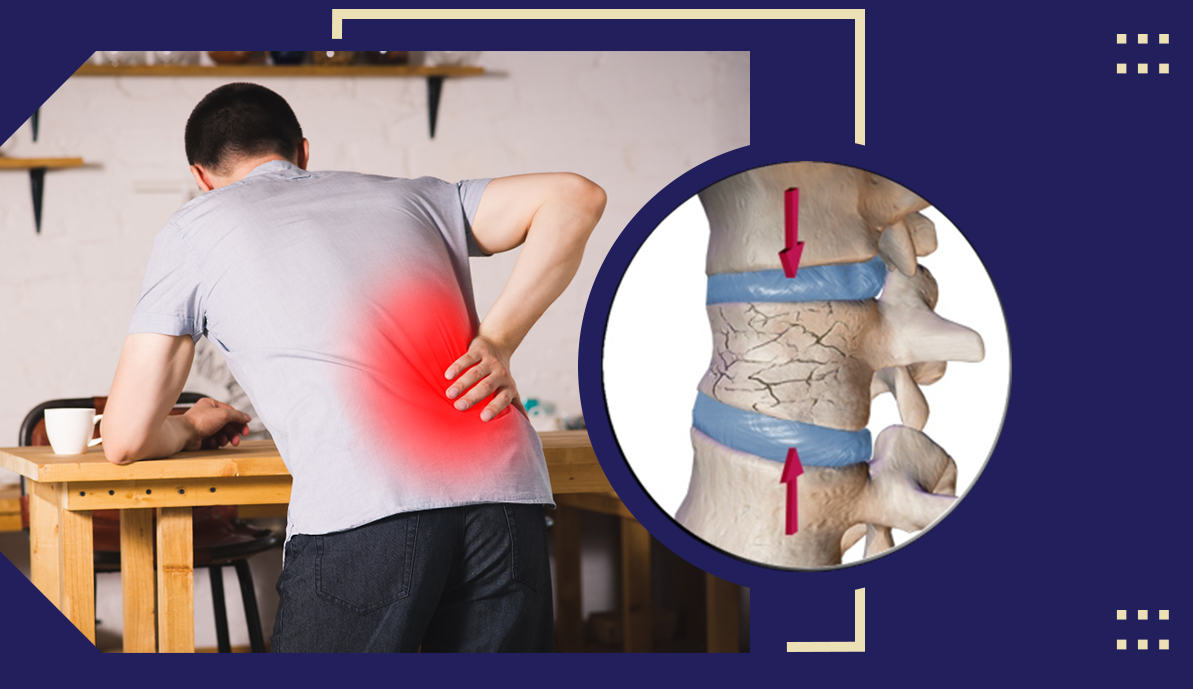
- Pain Management: Physical therapy can effectively manage chronic pain conditions like arthritis through targeted exercises and manual therapy techniques. This can improve a senior's quality of life and reduce reliance on pain medication.
- Improved Sleep Quality: Pain and discomfort can significantly disrupt sleep patterns. Physical therapy, by addressing pain and improving movement, can lead to better sleep quality, which is vital for overall health and well-being.
- Social Interaction: Physical therapy sessions in group settings can provide opportunities for social interaction with peers. This can combat feelings of isolation and loneliness, common challenges faced by some seniors.
Types of Physical Therapy Care for Seniors
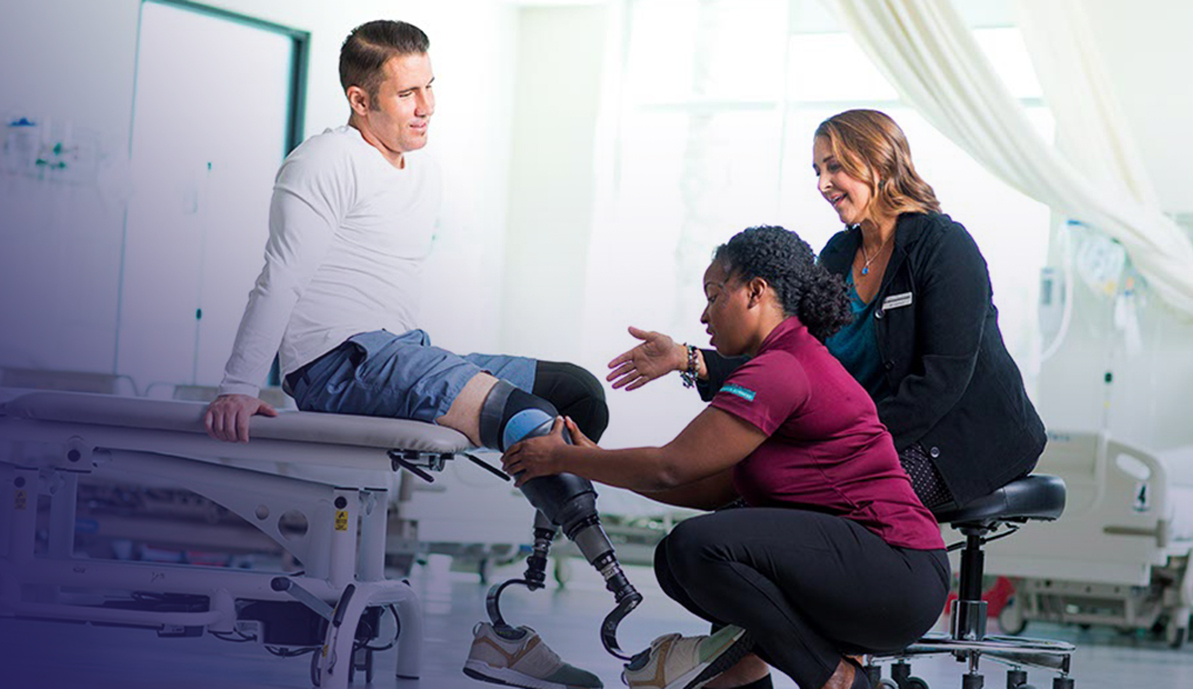
Physical therapy programs for seniors are customized based on their individual needs and goals. For example, Orthopedic Physical Therapy focuses on improving musculoskeletal conditions like arthritis, osteoporosis, and joint pain. Therapists employ exercises, manual therapy techniques, and assistive devices to enhance mobility and reduce pain. On the other hand, Gait and Balance Training focuses on improving walking patterns, balance, and coordination. This helps reduce the risk of falls and promotes safe and independent ambulation.Neurological Physical Therapy can also help the elderly to address mobility and balance deficits caused by neurological conditions like Parkinson's disease or stroke. Therapists utilize specific exercises and techniques to improve movement control and coordination.Cardiopulmonary Physical Therapy is also recommended for improving cardiovascular health and respiratory function. Exercises target breathing techniques and endurance training to enhance stamina and reduce fatigue during daily activities.Other types of Therapy Care May Include:
- Vestibular Rehabilitation: This addresses balance problems caused by inner ear dysfunction. Specific exercises and maneuvers can help seniors regain their sense of balance and improve spatial awareness.
- Home-Based Physical Therapy: Physical therapy can be delivered in seniors' homes for those with mobility limitations or difficulty travelling. Therapists design customized exercise programs and provide guidance for safe and effective home-based rehabilitation.
- Aquatic Therapy: This type of therapy utilizes the buoyancy and resistance of water to improve flexibility, range of motion, and strength in a low-impact environment. This can be particularly beneficial for seniors with joint pain or balance issues.
Additional Considerations for Senior Physical Therapy
Family members can play a crucial role in supporting a senior's physical therapy journey. They can help with transportation to therapy sessions, assist with exercises at home, and provide encouragement throughout the process.Physical therapy doesn't end after a set number of sessions. Maintaining a regular exercise routine and incorporating the techniques learned in therapy is crucial for seniors to sustain their progress and prevent regression. Physical therapists can recommend home exercise programs and suggest modifications as needed.A Path to a Healthier and Happier Future
Physical therapy is not just about treating injuries or regaining mobility after surgery. It's a powerful tool for seniors to maintain their independence, improve their quality of life, and age actively.By incorporating physical therapy into their healthcare routine, seniors can experience a multitude of benefits, both physical and mental. If you have a senior member in your family, consider physical therapy. Consult with us to discuss your needs and explore this path to a healthier and happier future. Remember, it's never too late to invest in your mobility and well-being. Physical therapy can empower you to embrace an active and fulfilling life as you age.Share with your friends: