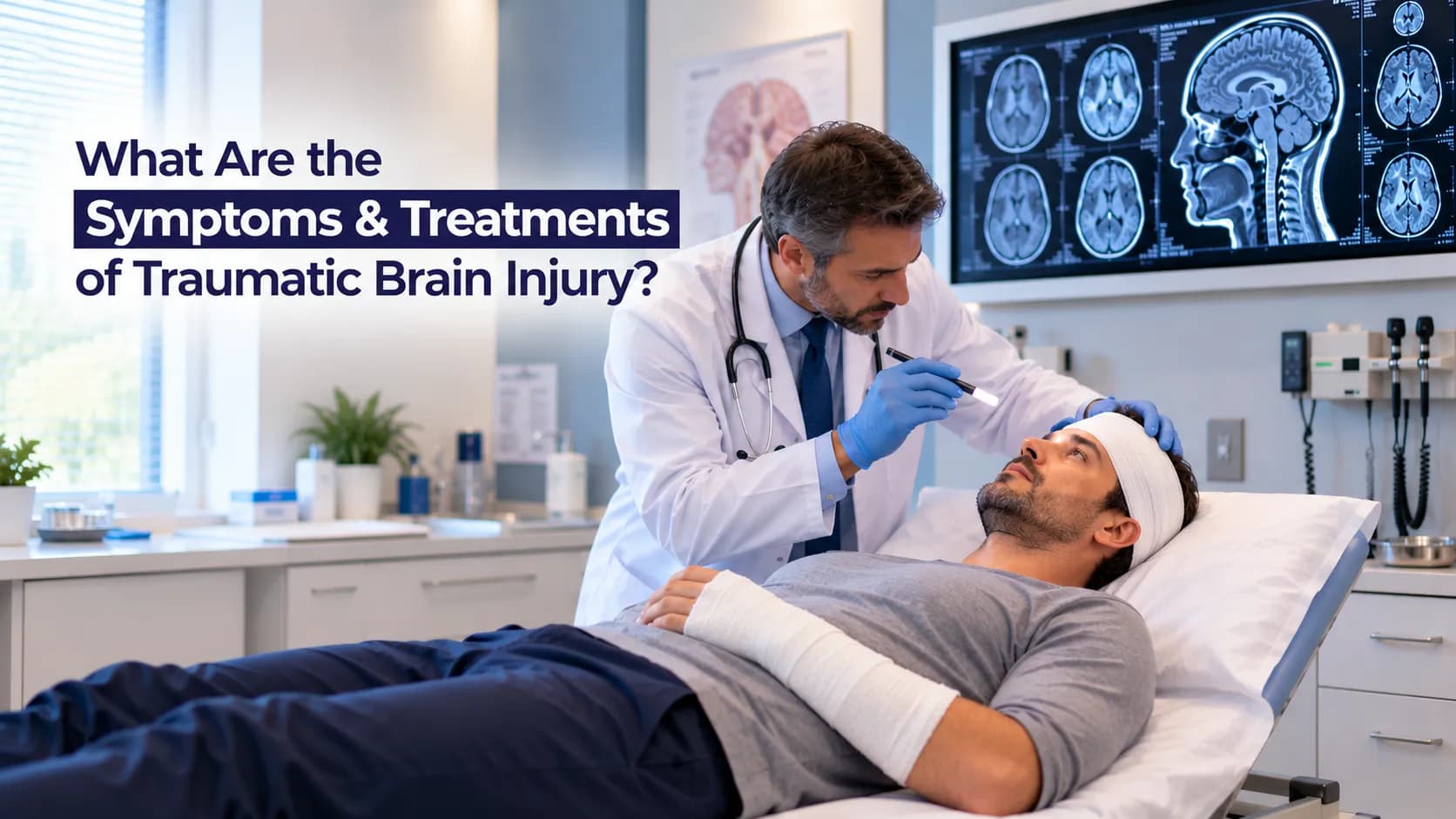
Accidents can cause brain injuries, from mild to severe. Accident victims should ask for immediate medical attention after a brain injury, regardless of severity. The injuries demand immediate medical attention. It is common to see stars after a blow to the head. However, the victim may not experience serious symptoms immediately, which is the main concern. This may indicate a traumatic brain injury (TBI).
If an accident victim suddenly feels less coordinated, off-balance, has trouble remembering simple details or thinking clearly, or friends or family say they aren't acting normally, the victim must see a doctor immediately.
Victims should rely on expert neurologists for proper diagnosis and treatment for traumatic brain injury (TBI). Verified medical professionals provide the latest testing methods and treatment options to help you recover.
Common Symptoms of a Traumatic Brain Injury
Before treatment of a traumatic brain injury, the victim needs to recognize the symptoms to receive the right treatment and lower long-term complications. While symptoms may vary widely, some common symptoms of a traumatic brain injury (TBI) include:
Physical symptoms include headaches, dizziness, blurred vision, nausea, vomiting, fatigue, balance and coordination problems, and seizures
Cognitive symptoms include memory problems, confusion, difficulty thinking clearly, difficulty speaking, and difficulty concentrating.
Emotional symptoms include mood swings, irritability, depression, anxiety, and sleep disturbances.
What Are the Most Potent Treatment Options for TBI?
Traumatic brain injury treatment depends on several factors, with the severity and location of the brain injury.
The primary traumatic brain injury care for a mild brain trauma is rest. If you suffer from a headache, you can take over-the-counter pain relievers. The victim must follow their healthcare professional's instructions for getting complete rest and a gradual return to their normal activities. If someone starts doing too much activity too soon, recovery may take longer. The victim’s party must contact the doctor if the symptoms don't improve or if new symptoms appear.
For moderate to severe traumatic brain injury, the first thing your healthcare professional will do is stabilize you to prevent further injury. They will check your intracranial pressure and whether your brain is getting enough blood and oxygen.
Once your physical condition is stable, treatment will begin. The common procedures include surgeries to reduce further damage to your brain, such as:
Remove hematomas (clotted blood)
Remove damaged or dead brain tissue
Repair skull fractures
Relieve pressure on your skull
Treatment for traumatic brain injury uses certain medicines to reduce some of the associated risks, such as:
Muscle relaxants to reduce muscle spasms
Anticoagulants to prevent blood clots from forming
Anticonvulsants to prevent seizures
Anti-anxiety medications to decrease feelings of nervousness and fear
Antidepressants to treat symptoms of depression and mood problems
Stimulants to increase alertness and attention
Rehabilitation therapies may include therapies for physical, emotional, and cognitive problems:
Physical therapy develops physical strength, coordination, and flexibility
Occupational therapy helps you do daily tasks such as dressing, cooking, and bathing
Speech therapy helps you with speech and other communication skills and treats swallowing problems.
Psychological counseling helps you learn coping skills, work on your interpersonal relationships, and improve your emotional well-being.
Vocational guidance focuses on your ability to return to work and meet work challenges.s
Cognitive therapy improves your memory, attention, perception, learning, planning, and judgment
Victims who need traumatic brain injury treatment may suffer permanent disabilities. It can also put the victim at risk for other health problems like anxiety, depression, and post-traumatic stress disorder. Treating these problems can improve the victim’s quality of life.
Can You Avoid Traumatic Brain Injury?
Definitely. You can do your best to prevent traumatic brain injuries. There are steps you can take to prevent head injuries and traumatic brain injuries:
Never drive under the influence of drugs or alcohol
Always wear a seatbelt and use car seats and booster seats for children
Wear a helmet when riding a bike, skateboarding, or playing sports like hockey and soccer. Make sure it fits snugly.
Make your home safer. For example, you can install handrails on stairs and grab bars in the bathtub, remove tripping hazards, and use child-safe window and gate guards.
Improve your balance and strength by getting regular physical activity.
To conclude,
Rehabilitation for a victim who has suffered a brain injury should begin immediately. Medical rehabilitation experts are essential to evaluate and treat the problems of a brain injury. Healthcare experts include physical therapists, psychiatrists, neuropsychologists, and others. The patient and their family are the most important members of the team, and they are actively involved in rehabilitation and traumatic brain injury (TBI) care. If you or anyone you know has suffered a brain injury, seek treatment from medical professionals. Treatment on time can prevent long-term complications and pain.



Leave a Comment