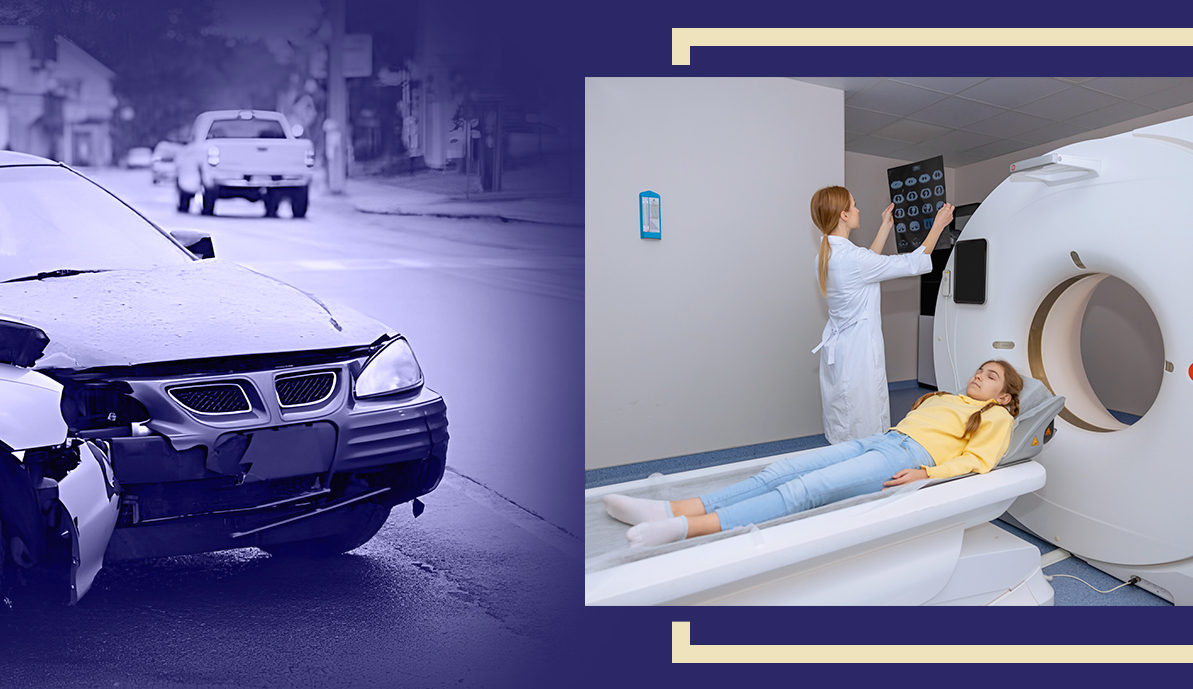
What Does an MRI Show After an Accident
What Is an MRI?
An MRI is a noninvasive diagnostic imaging service that produces high-resolution images of the human body. It evaluates body structures and functions using radio waves, a magnetic field, and computers.This test creates detailed images of tissues, organs, blood vessels, and bones. Medical professionals rely on this sophisticated test to determine many medical problems because it pinpoints problem areas.Typically, when you visit any of our MRI centers, a technologist assists you through the testing process. A radiologist reviews the results and gives the test information to your doctor. The test is painless, but you do have to lie still while undergoing the procedure.Why Is An MRI Needed After a Car Accident?
The force of impact on the body in a car accident can cause significant trauma. Most injured people receive immediate medical attention. However, some injuries show up over time.People may begin to have physical symptoms weeks after the event. Some of these symptoms can be serious if they affect the brain or internal organs. Chronic conditions can also arise after the event.An MRI scanner creates images of every part of the body from different angles, which is a significant advantage. The advantages of directional diagnosis are invaluable to doctors.MRIs also show increased contrast in soft tissue. Many car accident injuries involve soft tissue damage.The technology used in MRI scanning is continually advancing, improving the ability to diagnose conditions accurately and quickly. Updates to computer software have streamlined the testing process.In addition, open MRI technology is helping patients who suffer from claustrophobia when placed in a traditional tunnel.What Car Accident Injuries Does an MRI Diagnose?
What do MRI images show? This is a common question for people who need medical answers. This type of imaging can reveal information about these common car accident injuries:- Soft tissue damage
- Concussions
- Cervical injuries
- Herniated disks
- Nerve compressions
- Spinal injuries and disorders
- Traumatic brain injuries (TBI)
- Vascular trauma
When Do Symptoms Require Further Testing?
Symptoms that arise or worsen after a car accident need to be evaluated. These are symptoms that often require testing and treatment:- Blurred vision (or any visual irregularities)
- Headaches (persistent)
- Intense brain fog or fatigue
- Dizziness
- Numbness
- Sharp or dull body pain
- Loss of mobility or range of motion
- Internal discomfort
- Inflammation (swelling that persists)
Why Is an MRI Essential for Detecting Traumatic Brain Injury?
If you have suffered a head injury in a car accident and it is not healing well, ask your radiologist this vital question: "What does an MRI show about the brain injury?" The answer will probably be "a lot."Traumatic brain injuries show up on an MRI through changes in the structure and functions of the brain. It can also detect problems from old traumatic brain injuries by identifying areas of atrophy.Car accidents cause 14% of TBI cases annually in the U.S. Since this test is excellent at diagnosing tissue damage and abnormalities, it has a lot to offer in the case of brain injuries caused by impact trauma.Does An MRI Diagnose Bone Injuries?
Although MRIs are well known for their clinical advantages in diagnosing soft tissue injuries, these tests provide essential details about bone injuries.Orthopedic doctors order imaging tests to examine bones and other connective tissues, such as ligaments, cartilage, and tendons, more closely. This diagnostic imaging test in Orlando reveals fractures, dislocations, bruises, and impingements. It also identifies tears in ligaments and tendons and damage to cartilage.What Should You Know About the Procedure?
Although, understandably, you're concerned about your health, you don't have to worry about the MRI procedure. Trained professionals prepare you for the testing process. There's no pain, and an MRI machine doesn't expose you to radiation like X-rays and CT scans do.How Do You Prepare?
Here are some excellent tips for the day of the exam:Eat as you normally would before your procedure, and take your medications as directed (unless your doctor tells you otherwise).Wear comfortable clothing because you must remain still throughout the test.Be sure to remove all electronic or metal objects (including dentures and hearing aids) during the test.Notify your doctor ahead of time if you have implants or devices in your body that are not approved for MRI machine safety.What Happens After the MRI?
After performing this diagnostic imaging in Orlando, you can resume your day-by-day activities after this procedure is over. The radiologist prepares and sends a report to your doctor. You follow up with your doctor as needed.Visit an MRI Center After a Car Accident
We have a vast network of certified medical professionals who specialize in advanced diagnostic testing. Get access to the equipment you need for an MRI after a car accident. We provide diagnostic imaging for children and adults. You enjoy a comfortable environment while a technologist guides you through the procedure. Providing excellent patient care is our goal, and we welcome your questions. Contact us to learn more about our services.Share with your friends: