Accident victims may suffer from traumatic brain injury due to the extreme force and intensity of the collision. It can take a long time to heal from a traumatic brain injury. Injury Assistance Network connects victims with medical specialists to support recovery, no matter how severe the accident injury. From minor concussion to a life-threatening injury, we assist you in your recovery at every step. To help you or someone you know recover as fully as possible from traumatic brain injury, top neurologists Orlando in our network provide excellent care and treatment.
A sudden, violent hit or jolt to the head or body results in traumatic brain injury. There are also physical and psychological repercussions from traumatic brain injuries, which vary in severity.
Some signs and symptoms may appear immediately. Others may not surface within days or weeks after the incident. No matter how severe your TBI is, seeking treatment for a traumatic brain injury is essential. If you are looking for a traumatic brain injury rehabilitation center, you are in the right place/
Treatment of Mild Traumatic Brain Injury
An accident victim should never leave traumatic brain injuries untreated. You might have been more seriously injured than was immediately apparent, even if you didn’t lose consciousness in the course of the accident.
Following mild brain injuries, such as concussions, patients must consult a verified neurologist. A similar traumatic brain injury treatment method doesn’t work for accident victims with moderate traumatic brain injuries because no two concussions or patients are comparable.
A moderate traumatic brain injury can induce a variety of physical, sensory, and cognitive symptoms. These include headaches, anxiety, depression, light or sound sensitivity, and blurred or double vision, among many. Look for a neurologist if you experience any of these symptoms.
Moderate to Severe TBI Treatment
Surgery or hospitalization is needed for moderate to severe traumatic brain injuries, which often coexist with other physical symptoms. Recovery is a long process; therefore, our work begins after that.
Several issues may arise at the same time, and neurologists offer personalized treatment plans to meet each patient's traumatic brain injury care needs. The goal is to provide a strong neurological foundation for further therapies, such as physical, occupational, or speech therapy, to build on.
Any of the following symptoms of mild damage can be seen in a moderate to severe traumatic brain injury:
Persistent or worsening headache
Frequent feeling of nausea or vomiting
Convulsions or seizures
Inability to wake up, slurred speech
Limb numbness or weakness
Dilated pupils
Another terrible sign of traumatic brain damage is post-traumatic stress disorder (PTSD). As part of the treatment for a traumatic brain injury, top medical professionals have several ways to help treat neurological disorder and PTSD symptoms.
Rapid Stabilization and Medical Intervention
For those suffering from moderate traumatic brain injury (TBI), prompt medical attention is crucial. The goal is to stabilize the nerves and prevent further harm.
Paramedics must secure the airway, monitor breathing, and administer intravenous fluids to maintain stable circulation. Medication or surgery is used to control intracranial pressure (ICP). Neurological attention and vital sign monitoring are used to identify any changes or issues.
Accurately gauging the extent of damage requires specialized tools such as imaging technology and pressure monitors.
Those with TBIs must receive medical attention as soon as possible to ensure the best chance of recovery. Professional coordination is required for stabilization and further advancement to be effective. Feedback evaluation and monitoring are also necessary.
Role of Occupational and Physical Therapy in Treating TBIs
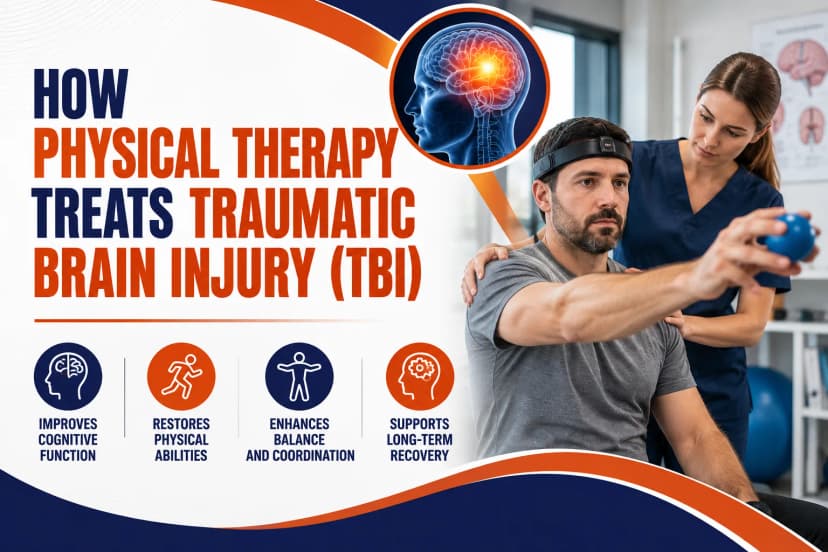
Occupational therapy and physical therapy are also essential for treating traumatic brain injury in the subacute phase. By optimizing cognitive and physical capacities, these therapies support a return to daily activities and help treat the neurological disorder more effectively.
Evaluation and Goal Setting: Therapists assess physical skills such as strength, balance, coordination, and range of motion. They also evaluate cognitive skills, including problem-solving, memory, and attention. These evaluations are used to set goals.
Physical Rehabilitation: Therapists use exercises and activities to improve physical capabilities. Examples include strength training, gait training, balancing, and coordination exercises. The objectives are to reduce functional limits and increase mobility.
Occupational Rehabilitation: Occupational therapists help with self-care tasks such as dressing, showering, cooking, managing money, and more. They can also provide adjustments or assistive technology to support fulfilling careers.
Recreational therapists also employ leisure pursuits to enhance cognitive abilities. These innovative strategies can improve focus and encourage recovery-oriented motivation.
Role of Family and Caregivers in the Rehabilitation Process
Rehabilitating individuals with traumatic brain injuries (TBI) requires the support of family members and caregivers. How they assist is as follows:
Emotional support: They offer sympathy, comfort, and a positive attitude.
Daily activities: They support mobility, nutrition, medication, and personal hygiene.
Communication: They plan visits and excursions and bridge communication gaps.
Therapy: They attend sessions and build skills to keep improving at home.
Motivation: They boost self-esteem and acknowledge minor accomplishments.
Get the Right Treatment for Traumatic Brain Injuries
Traumatic brain injuries may have a terrible impact on a person's present as well as future, and Injury Assistance Network understands this. Restoring function allows you to resume your life's activities. Keep in mind that recovering from a TBI can take anywhere from a few weeks to several months. Our goal is to promote the fastest healing of TBI injuries.
Our top neurologists Orlando use a range of techniques to assess your injury's severity, including video nystagmography (VNG), saccadometry, computerized posturography (CAPS), and physical neurological exams. We provide vestibular, motor, sensory, and visual modality treatments customized to meet each patient’s individual needs.
Seek immediate care if you or someone you love has experienced a traumatic brain injury. We can help, no matter how severe the damage is. Get in touch with the Injury Assistance Network right now to arrange a consultation.

Leave a Comment